

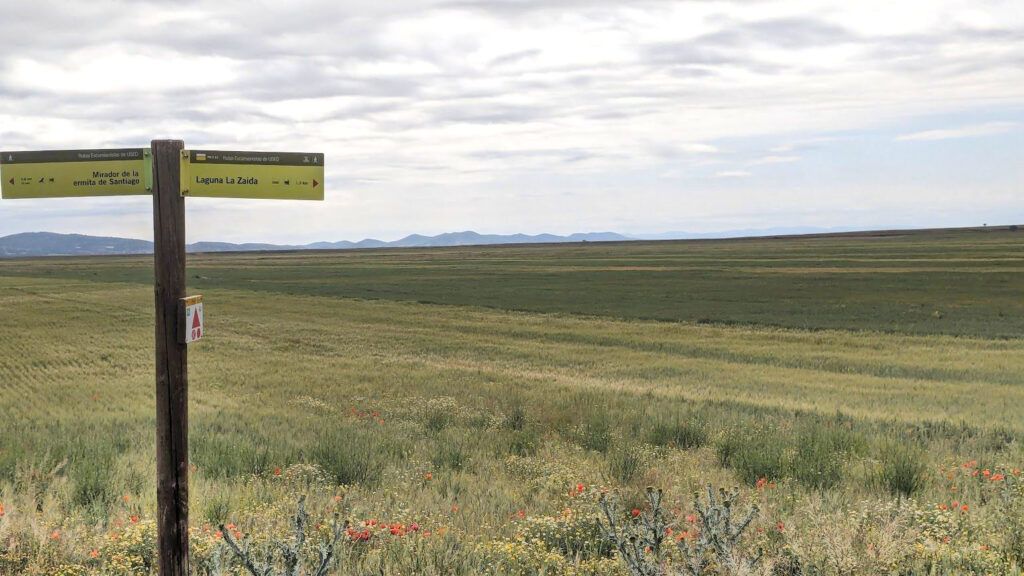
In the Campo de Daroca region, in Zaragoza, there is a natural treasure that has captivated generations: the lagoon of ZaidaThis vast body of water, with a management system unique in Spain, is much more than a simple wetland; it is a faithful reflection of history, culture and the adaptation of human beings to the environment.
An ancestral system
The Zaida lagoon is a wetland of endorheic origin, that is, it has no natural water outlet. Its peculiarity resides in its ancestral management system, which consists of a biannual cycle of flooding and drying. Every year on August 15, the floodgates of the Parada Dam, thus regulating the water level.
This system, which bears similarities to ancient Egyptian agricultural practices on the banks of the Nile, allows the lagoon to fulfill two fundamental functions:
- Land fertilization: During the years when the lagoon dries up, the surrounding lands are flooded with nutrient-rich sediments, which favours the cultivation of cereals such as wheat and barley.
- Wildlife Refuge: When the lagoon is full, it becomes an ideal habitat for a wide variety of water birds, such as the white-faced tern, the black-billed gull and different species of ducks.
A common good
The management of the Zaida lagoon has always been a community task. The inhabitants of Used, through the Zaida Board, are responsible for making decisions on the opening and closing of the floodgates, as well as the distribution of cultivable plots.
Each plot, or lot, It is assigned for life to a married couple from the village, provided that they live there for at least six months a year. This system, which in the past guaranteed the subsistence of families, has evolved over time, but remains a fundamental element of Used's identity.
A unique ecosystem
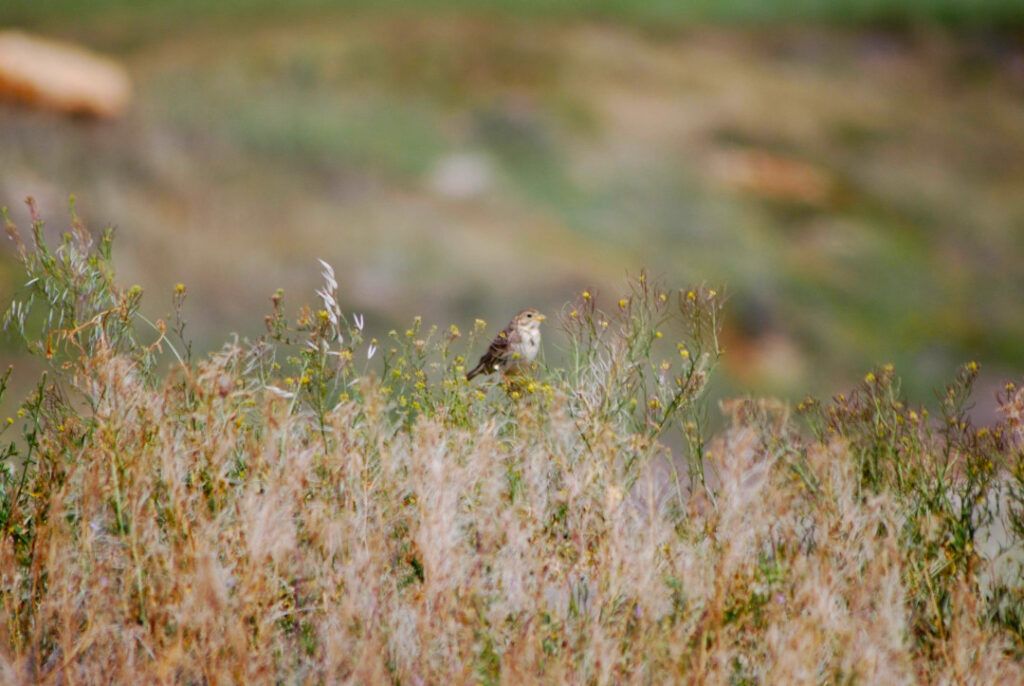
The Zaida lagoon is a dynamic and changing ecosystem, which is home to a rich biodiversity. In addition to waterfowl, its waters are home to numerous invertebrates, such as freshwater crustaceans, which in turn serve as food for the birds.
The vegetation of the lagoon is also varied, adapting to the changing conditions of the water level. In the wetter areas, aquatic plants predominate, while in the drier areas we find species typical of steppe environments.
A sustainable future
The Zaida lagoon is a example of how humans can live in harmony with nature, using natural resources sustainably. However, this ancestral system faces new challenges, such as climate change and urban pressure.
It is essential preserve this valuable natural and cultural heritage, promoting sustainable agricultural practices, encouraging responsible tourism and raising awareness among the population about the importance of the Zaida lagoon.
In conclusion, The Zaida lagoon is much more than a simple wetland. It is a historical legacy, a unique ecosystem and a fundamental element of Used's identity. Their story teaches us the importance of community management of natural resources and the need to find a balance between economic development and environmental conservation.