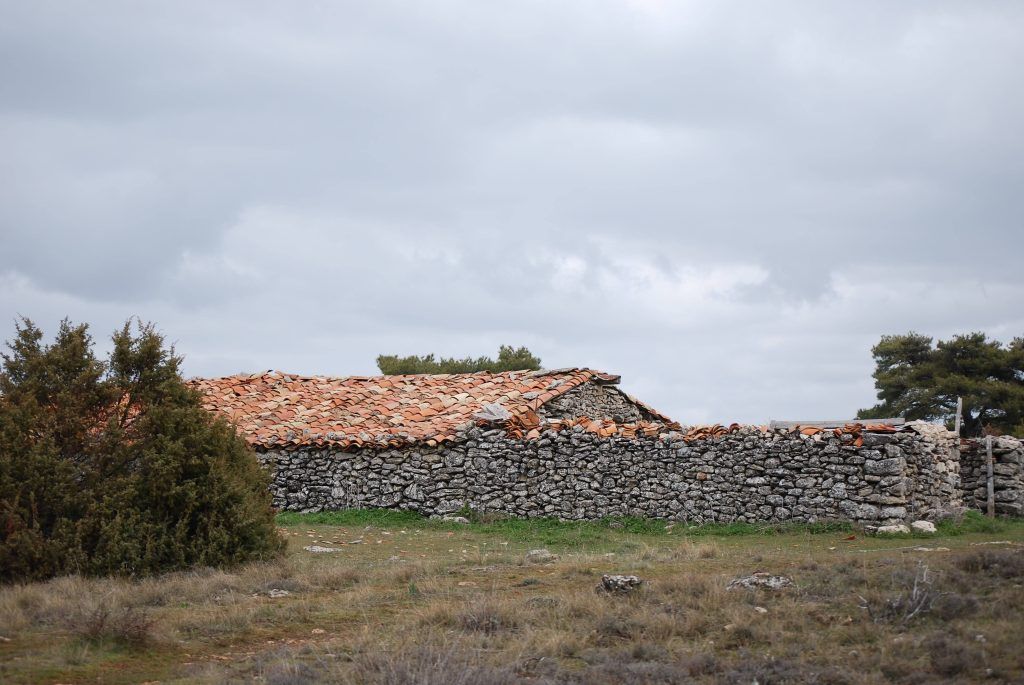
Exploring the Iberian Parameras is entering a fascinating journey through time, where the legacy of the past is revealed in every corner. These lands, apparently desolate, have witnessed the presence of various settlers throughout history, leaving behind a valuable archaeological heritage. From imposing castles that stand as silent guardians to forts that tell stories of ancient communities, the Parameras landscape is a vast canvas where traces of the past intertwine with nature.
The archaeological remains scattered throughout these moors reveal the richness of a past that dates back to ancient times. Among the stones of ancient castles, stories of battles and strategies that have marked the future of these lands are revealed.
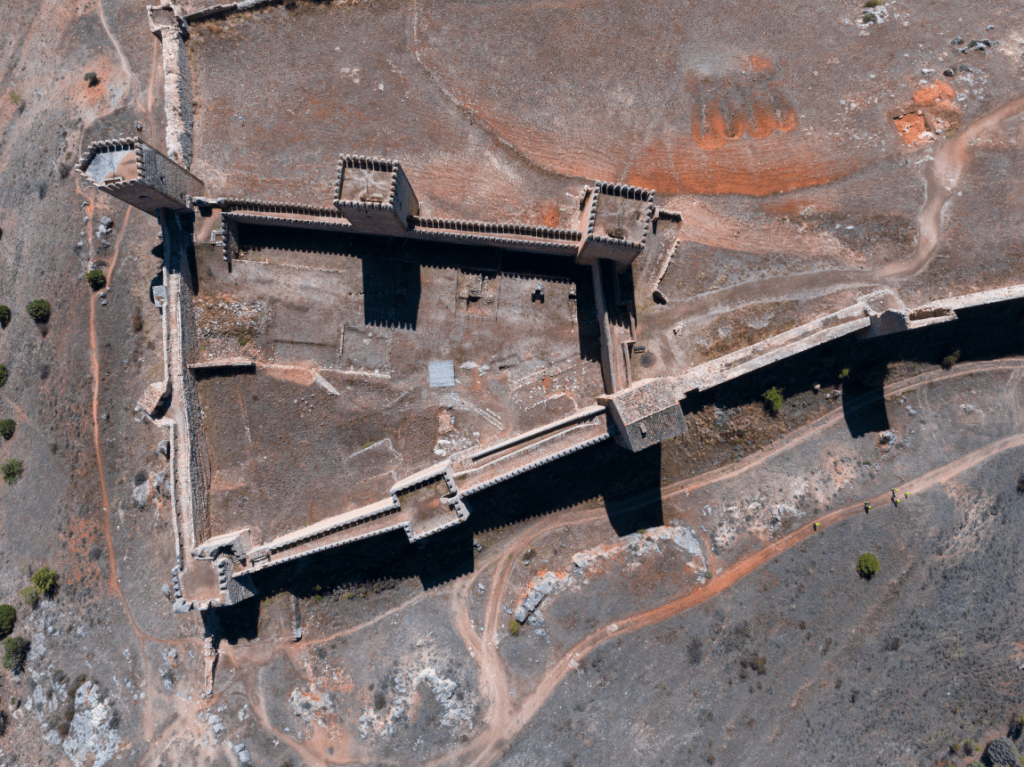
LAND OF CASTLES
These lands, marked by a rich history of conflict and alliances, are home to castles that were not only defensive bastions, but also symbols of power and strategic control. From the Molina Castle, with its imposing presence that dominates the landscape, to other fortresses scattered in the different mountains that break the monotony of the moor, each stone tells a story of resistance and conquest.
Entering these lands is immersing yourself in a living chapter of the Middle Ages, where the clash of civilizations left an architectural legacy that transcends the passage of time. These buildings, witnesses of the fluctuating borders between Aragon and Castile, stand as a historical setting impregnated with the majesty of its fortifications.
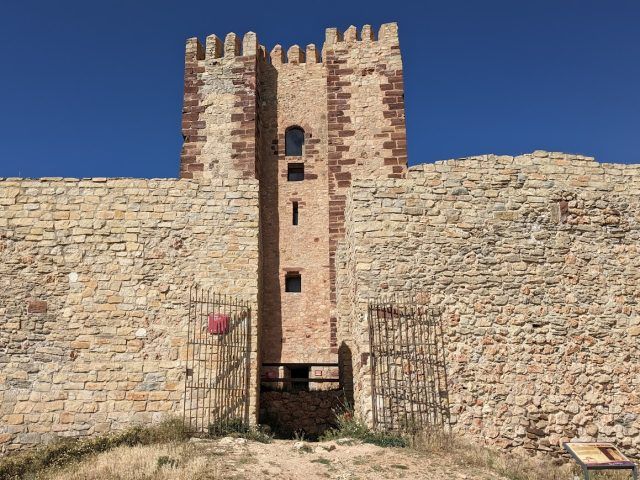
The Torre de Aragón in Molina de Aragón is not simply a structure; It is a symbol of history and the resistance that has withstood the passage of time. This imposing tower invites you to explore its past and the stories it has witnessed. Origins and Evolution: The History of a…
View more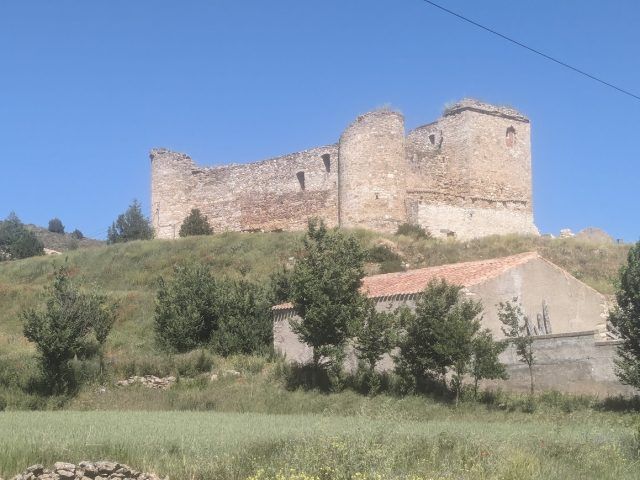
In the northeastern lands of Guadalajara, stands a silhouette that defies time: the Malasombra Castle. More than a structure, it is a silent narrator of battles, intrigues and legends. This article is your invitation to explore its walls and discover the secrets that have survived…
View more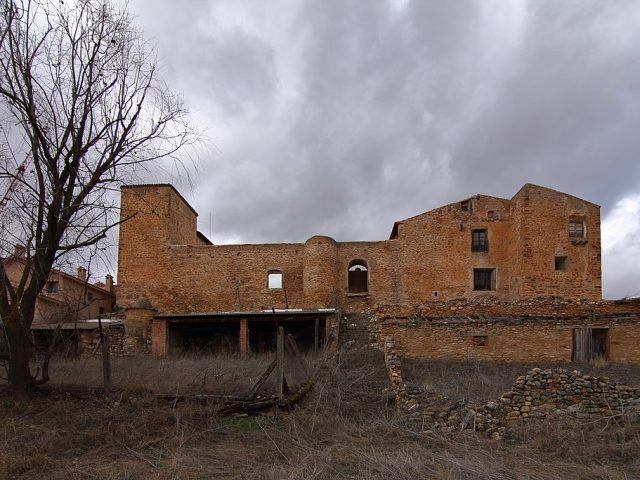
Castilnuevo Castle, majestically rising above a valley in the province of Guadalajara, is a portal to the past, a living testimony to the history and culture that defined the Middle Ages in Spain. This bastion, whose walls have witnessed conquests, noble retreats and uprisings, invites you to visit the castle…
View more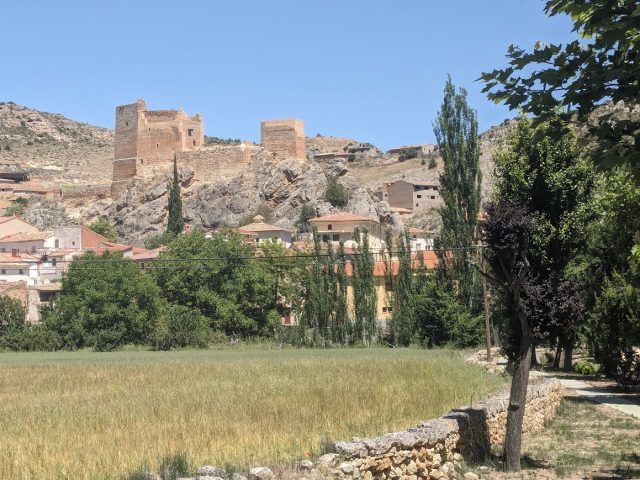
On the heights of Villel de Mesa, the Funes Castle stands out against the sky like an eternal guardian of history. This symbol of power and resistance, with its walls that defy time, invites travelers to delve into its secrets and relive the…
View more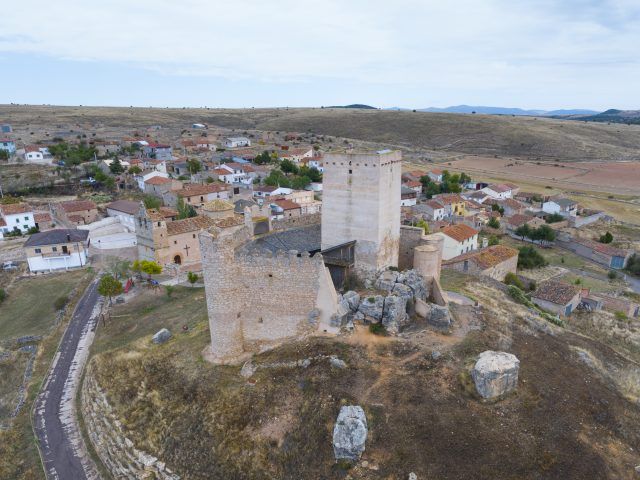
In the province of Guadalajara, nestled in the lands that once delimited kingdoms and were the scene of conflicts, stands the Embid Castle, a medieval bastion that stands as a mute witness to the history and culture of the region. This imposing monument is not just a…
View more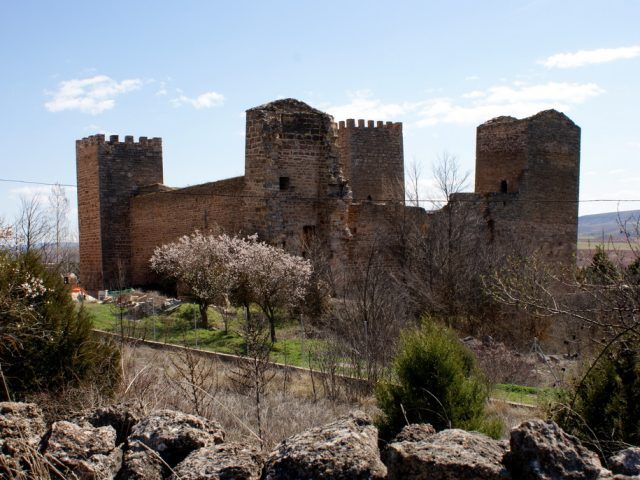
The Santiuste Castle, located one kilometer from Corduente, stands proud as a guardian of history and culture on the border between Aragon and Castile. This is not just a castle, but a time capsule that invites you to explore its walls and discover the stories that…
View more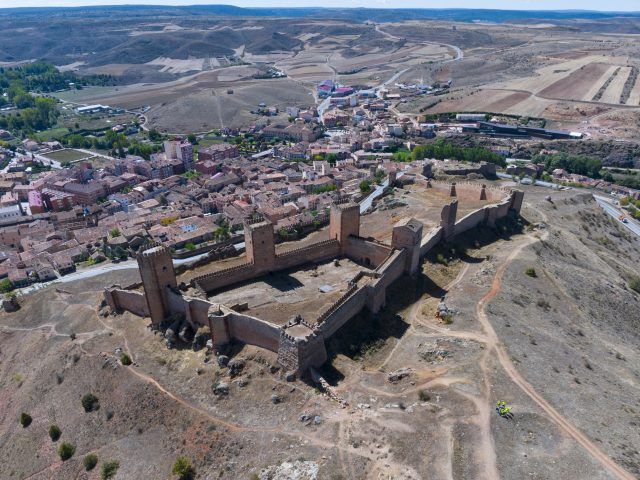
The Molina de Aragón Castle is not just a structure; It is a testament to the history, architecture and battles that have shaped the region. Its imposing presence invites you to explore each tower and passage, discovering the stories that lie in its stones. History and Legend:…
View more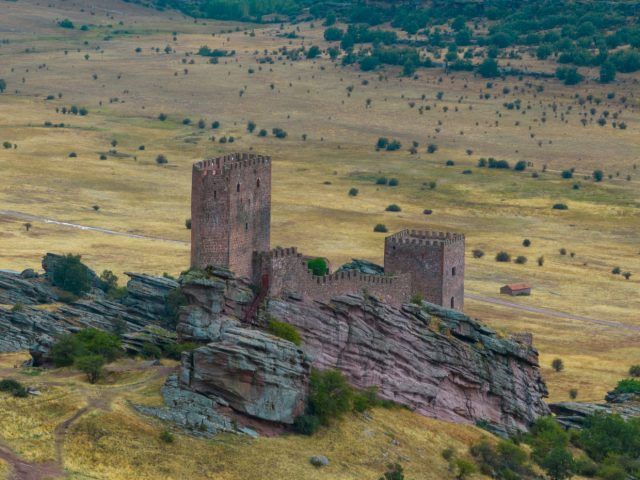
Zafra Castle is not just a fortress; It is a symbol of resistance and power that rises above the Sierra de Caldereros. Its defiant silhouette invites you to discover the stories and battles it has witnessed over the centuries. Roots and Mysteries: The History of the Castle…
View more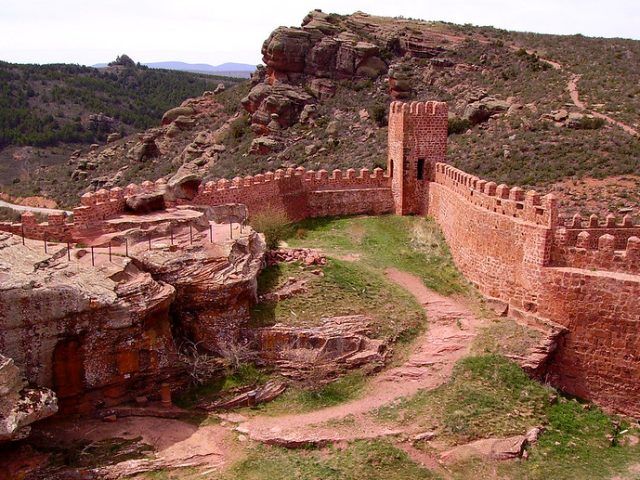
The Peracense Castle stands not only as a human construction but as a geological wonder. Its unique location and its integration with the rocky environment make it one of the most picturesque and fascinating fortresses in Spain. Origins and Evolution: The Birth of a Fortress First Settlements…
View moreCELTIBERIA
The Celtiberians, known for their skill in metallurgy and their skill in war, left archaeological remains that tell their story in the Parameras. From forts that served as fortified towns to everyday and ceremonial objects, these remains show the complexity of Celtiberian society and its adaptation to the geographical conditions of these lands.
The interaction between Celtiberians, Iberians and Romans in the area adds layers of meaning to the Parameras, turning them into a cultural tapestry that reflects centuries of exchange, conflict and coexistence between different civilizations. The Celtiberian vestiges, scattered among the majesty of the landscapes, invite us to explore the deep roots of these lands, where history is interwoven with geography in a fascinating way.
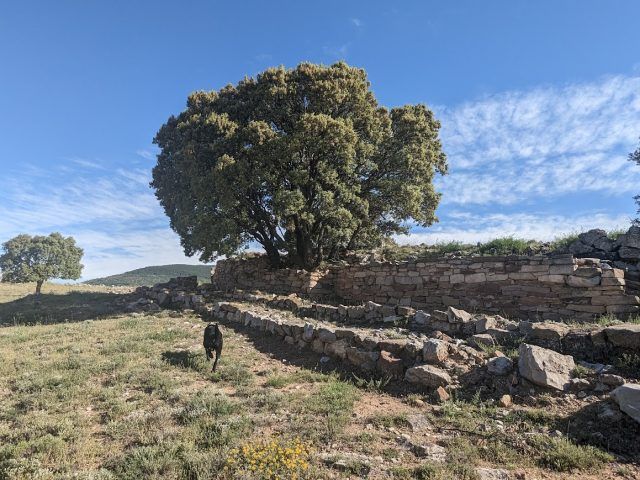
Rising on the heights of the Molina de Aragón moorland, the Castro de los Rodiles, in Cubillejo de la Sierra, is a living testament of the rich Celtiberian history present throughout this area. This ancient settlement, shrouded in the mystery of time, offers a unique window to the…
View more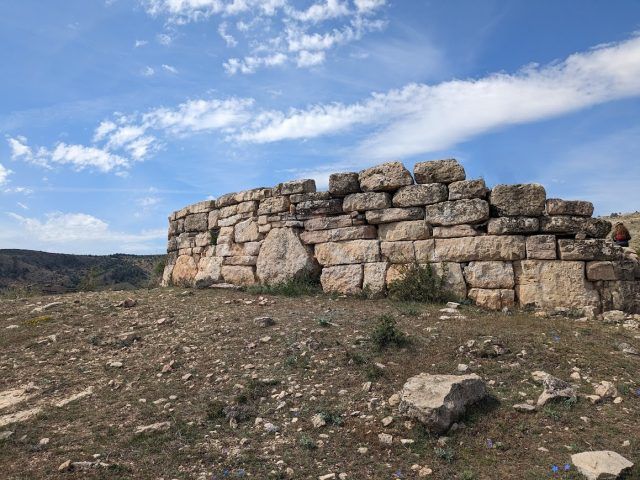
In the serene province of Guadalajara, the Celtiberian Castro El Ceremeño stands as a silent witness to the ancient warrior tribes that populated the eastern plateau. This site, located in Herrería, is a portal to a past where the Celtiberians dominated with their customs and fortifications. History and culture:…
View moreOTHER NEARBY CASTROS
ETHNOGRAPHIC HERITAGE
Although documentation on this type of heritage is rather scarce, we are in an area where man has always used its natural resources. From limestone rock to make lime, wood for multiple uses or livestock and fields for agriculture. All activities have left an indelible mark on our environment. Lime pits, fountains, water troughs, canals, pegueras, buildings for shepherds and livestock, there are many vestiges that we can find, although many have already disappeared.