
Have you ever driven down a lonely road, staring off into a flat, seemingly empty horizon? Chances are you were crossing a moorlandAt first glance, they may seem like barren lands, devastated by the wind and the cold. But what if we told you that beneath your feet lies an ecosystem of extraordinary richness and fragility? In this blog post, we invite you to look beyond the horizon and discover why the parameras are one of the most valuable and unknown treasures from the Iberian Peninsula.
What exactly are parameras?
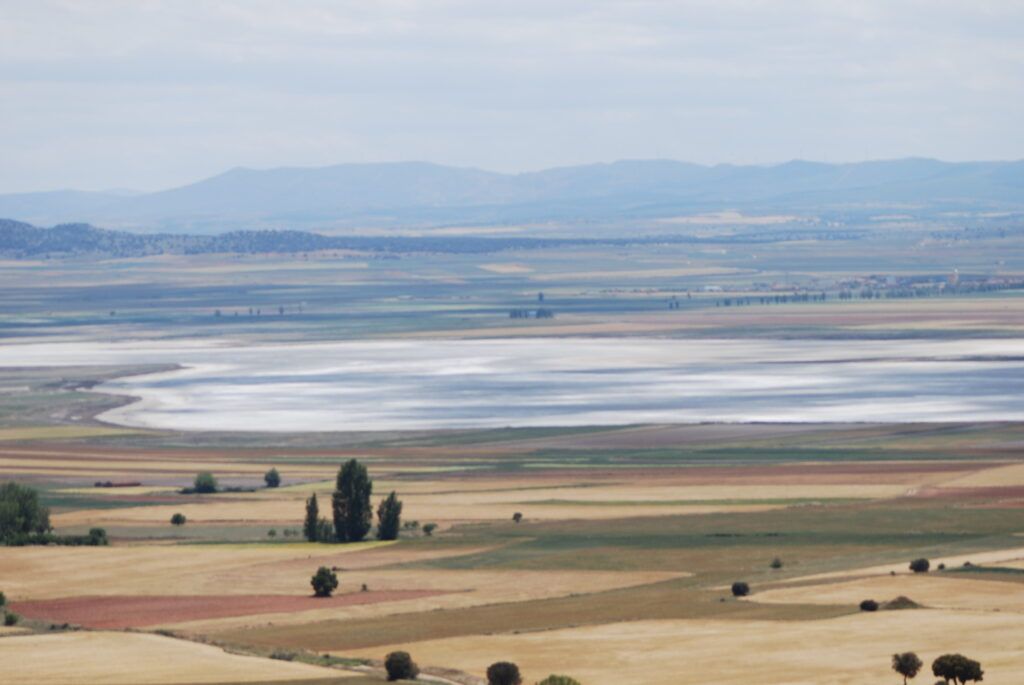
The parameras are plateaus, plains elevated at over 1,000 meters above sea level, where the climate is extreme: freezing winters, dry summers, and seemingly relentless winds. Geologically, they are the result of millions of years of history, ancient seabeds that today rise to the sky. In "Parameras Ibéricas," we have already explored some of their most spectacular corners, such as the Mesa River Canyon or the endorheic lagoons, but it is in their vastness where their secret lies.
A treasure of biodiversity
This apparent nakedness is, in reality, an exercise in adaptation. Life here has learned to endure, to flourish in the harshest conditions. The moors are home to a unique flora, of small, resilient plants that paint the ground with colors in spring. And, of course, they are the kingdom of steppe birds.
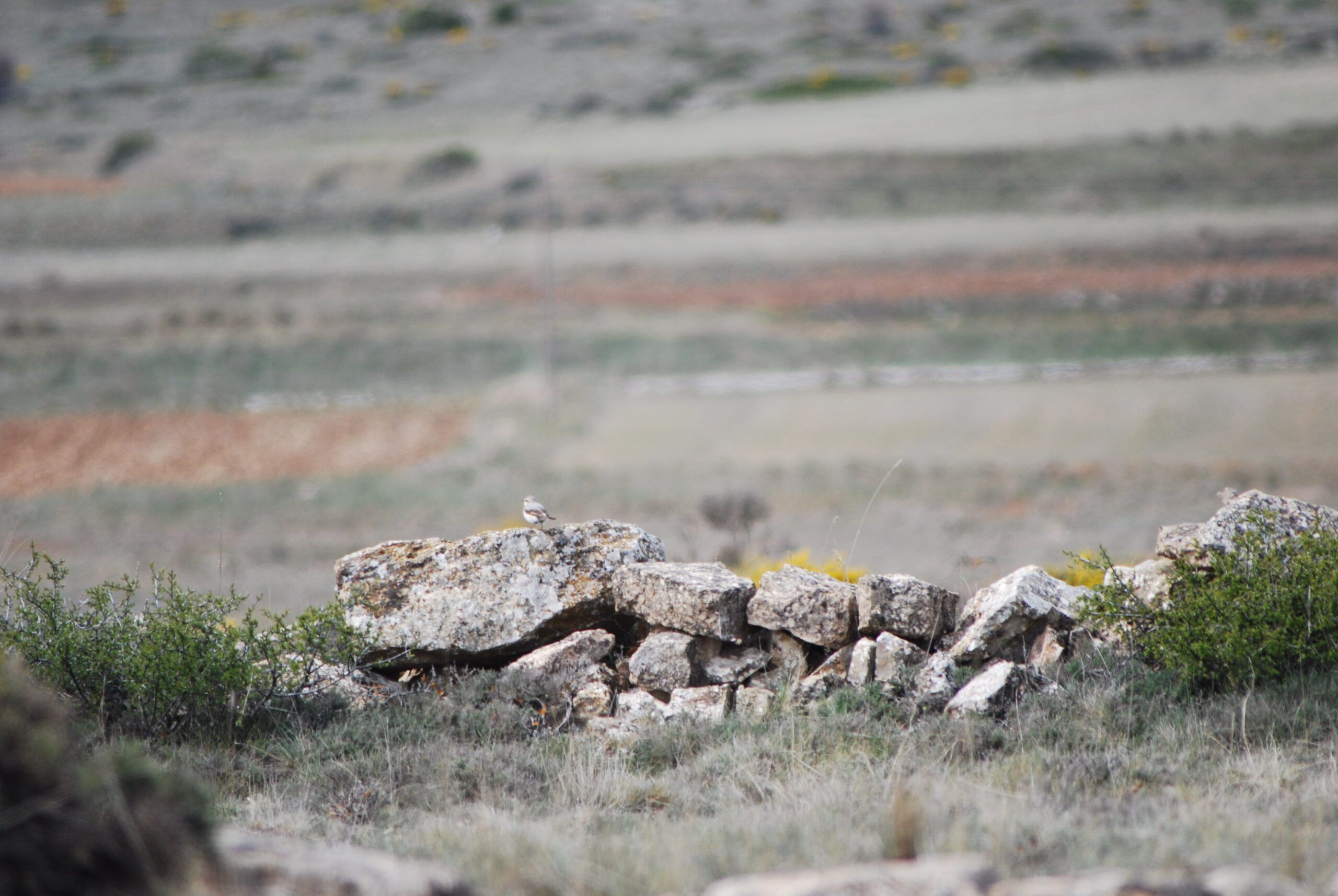
As we saw in our entry on steppe birds, the moorlands are the last refuge for such emblematic species as the the lark, the sandgrouse, the bustard or the little bustardThese birds, perfectly adapted to life on the ground, find these plains the perfect place to nest and feed, far from the threats of forests and predators. It's no wonder birdwatching is one of the most fascinating activities you can do here.
The human footprint and a cultural legacy
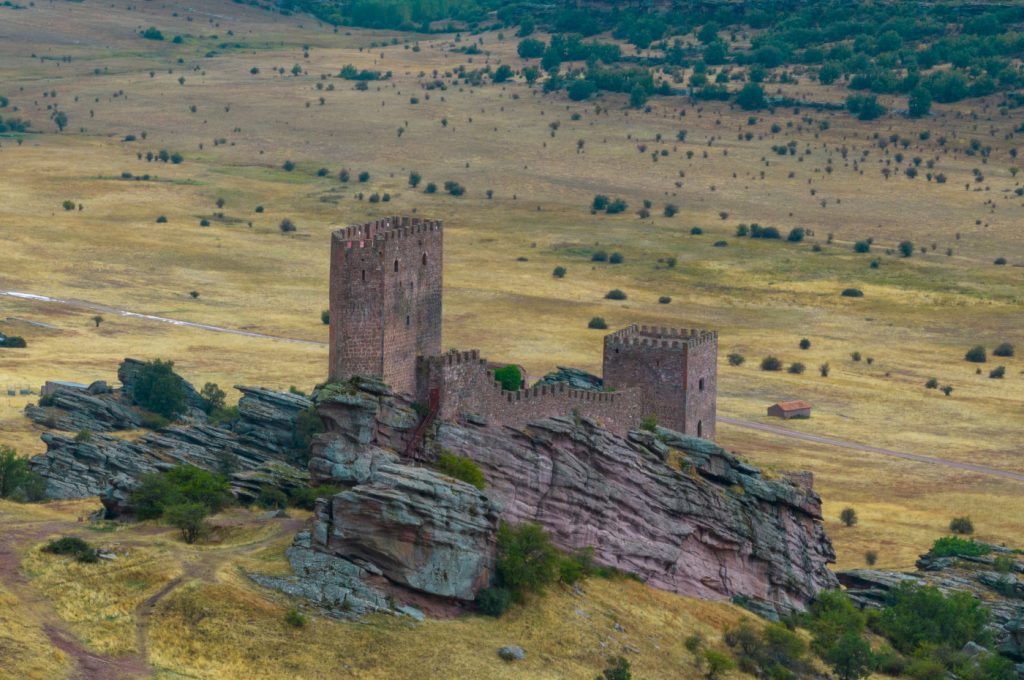
But the moors are not just nature. They are also the result of centuries of interaction with humans. castles that dot the landscape, the royal ravines The paths through which herds of Merino sheep once roamed, and the small hermitages and stone villages, tell us a story of resilience and adaptation. Traditional, extensive livestock farming has been, for centuries, an ally in the conservation of this ecosystem, keeping grasslands open and promoting biodiversity.
An ecosystem on the tightrope
However, this balance is extremely delicate. Today, the parameras face numerous threats. intensive agriculture, which transforms grasslands into monocultures, the proliferation of wind farms without adequate planning, the abandonment of traditional livestock farming and the climate change are jeopardizing their survival. The soil, so thin and poor, takes centuries to form and can disappear in a few years. With it, the birds and plants that depend on it would disappear forever.
The moorlands are not empty lands, but rather complex ecosystems full of life. They are a natural and cultural heritage of incalculable valueProtecting them is everyone's responsibility. The next time you find yourself on one of these plains, stop. Listen to the wind, observe the birds' flight, and remember that you are standing on fragile and precious soil.
We encourage you to explore the moors with respect, to discover their secrets and to share their beauty. Have you ever visited a moorland?