
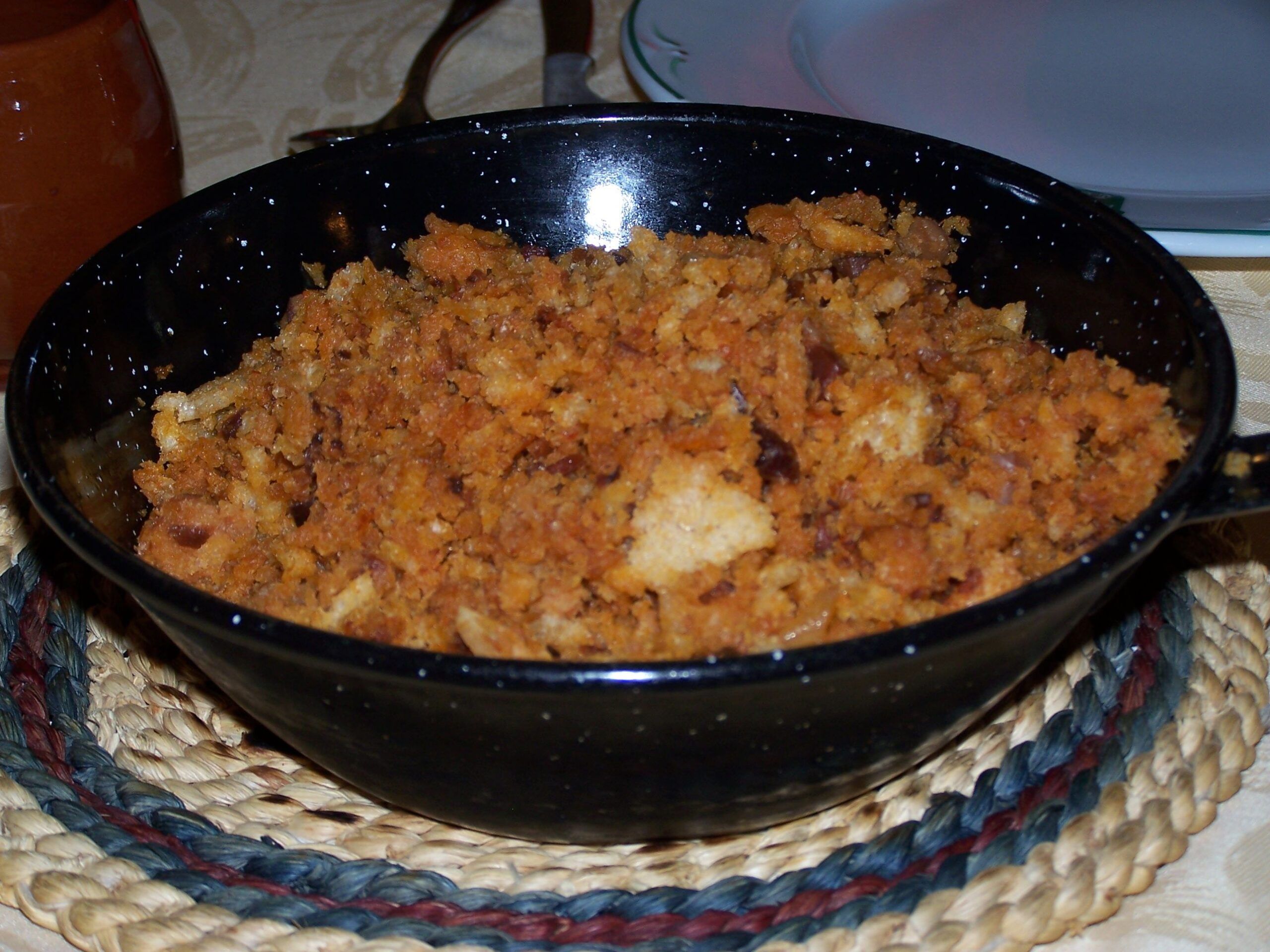
In the kitchen, some of the most precious moments are born not from complicated recipes or exotic ingredients, but from simple dishes that have fed families for centuries. shepherd's crumbs They are one of those culinary treasures: a humble recipe, full of history and perfect for sharing with the little ones in the house.
Cooking with children goes beyond simple food preparation.It's about transmitting culture and values and creating family memories that last a lifetime. It's about showing that the kitchen can be a space for encounter, creativity, and learning, where little hands can participate in the magic of transforming basic ingredients into something delicious.
What if we transformed a humble recipe into a fun adventure for the little ones? Shepherd's crumbs offer the perfect opportunity: simple ingredients, basic techniques, and the chance to tell stories while we cook together.
The story that feeds the soul
The shepherd's crumbs They have always been eaten in the Castilian moors as a solution to a basic need: to use up stale bread and create nutritious food with limited resources. Shepherds, spending long days tending flocks in arid, cold territories, developed this recipe as a food of endurance that provided energy and warmth.
Was leftover food at its finest: day-old bread that could have gone to waste, garlic that lasted for months without spoiling, readily available oil or animal fat, and the wisdom of transforming simple ingredients into something hearty and comforting.
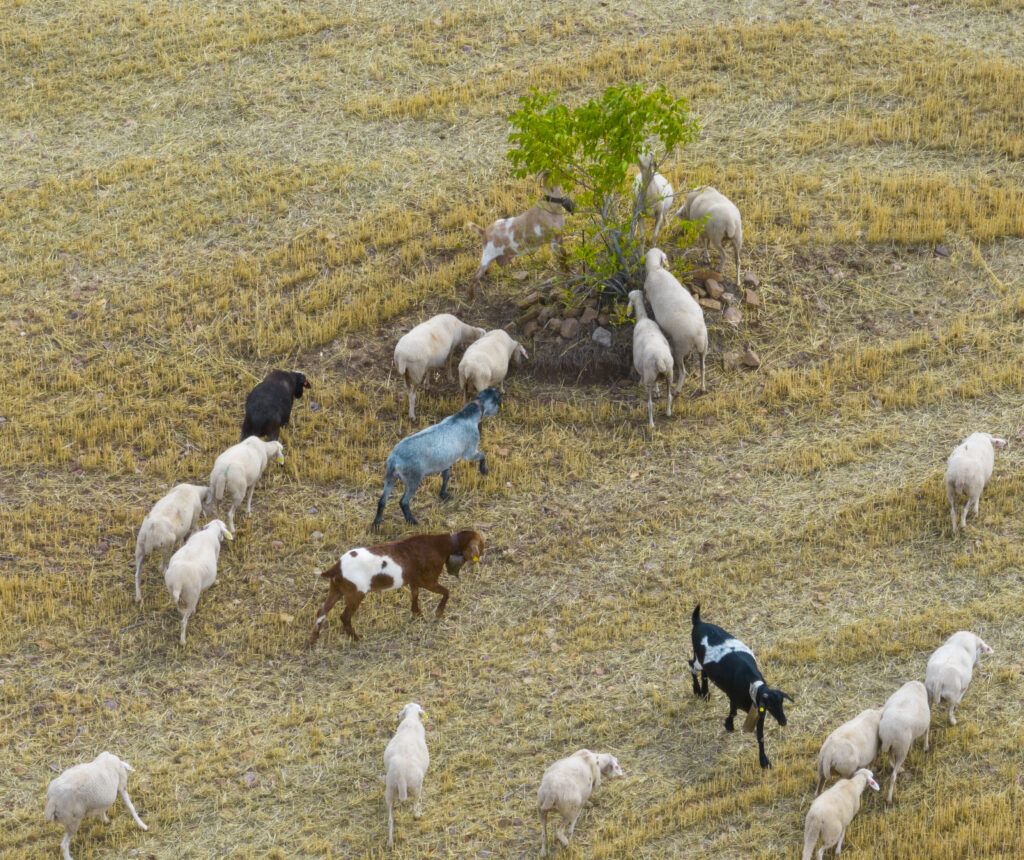
But migas are much more than culinary survival. They represent core valuesThe importance of not wasting, the ability to create abundance with few resources, and above all, the power of shared food to create community. On cold moorland nights, sharing warm crumbs around the fire was an act of brotherhood and resilience.
This symbolic dimension turns the recipe into the perfect vehicle for transmitting values to children: respect for food, appreciation of simplicity, and understanding of how our ancestors lived and ate.
Ingredients: Simplicity that teaches
The beauty of shepherd's crumbs lies in their minimum ingredient listEach component has its function and its lesson:
Basic ingredients:
- Stale bread from the day before (2-3 slices per person)
- Garlic (2-3 teeth)
- Extra virgin olive oil (3-4 tablespoons)
- Salt to taste
Enhanced versions:
- Bacon or chorizo (50-100g, according to preferences)
- Sweet paprika (1 teaspoon)
Fun accompaniments:
- Fresh grapes (generous handful)
- Fried egg (one per diner)
- Homemade Torreznos
He stale bread teaches children that food can have a second life, that what seems useless can be transformed into something delicious. garlic introduces intense aromas and helps them understand how simple flavors can completely change a dish.
The adventure step by step
Pre-preparation: where the magic begins
Children can participate from the very beginning Cutting the bread into small pieces with their hands. This seemingly simple task develops fine motor skills and teaches them that not every cut has to be perfect for the result to be delicious.
Once sliced, the bread is spray lightly with water using a spray bottle or simply with wet fingers. Children especially enjoy this part, and it's the perfect time to explain that we're "waking up" the dry bread. Then, cover it with a damp cloth and let it rest for about 15–20 minutes.
This pause It teaches patience and explains why some culinary processes can't be rushed. It's the perfect time to tell stories about shepherds or prepare the rest of the ingredients.
Sofrito: awakening the aromas
While the bread rests, we prepare the sofrito. The children can peel the garlic (with supervision) and watch the oil heat in the pan. This olfactory moment is magical: when the garlic begins to brown, the entire kitchen is transformed.
If we are using bacon or chorizo, this is the time to add them. The children can watch how the colors and textures change, how the chorizo releases its reddish oil, how the aromas intensify and mix.
The star moment: adding the crumbs
The arrival of funniest part: Add the moist bread to the pan. Children can help stir with a wooden spoon, watching as the bread absorbs the flavors and gradually transforms. It's like "turning" the story of the bread in the pan on its head.
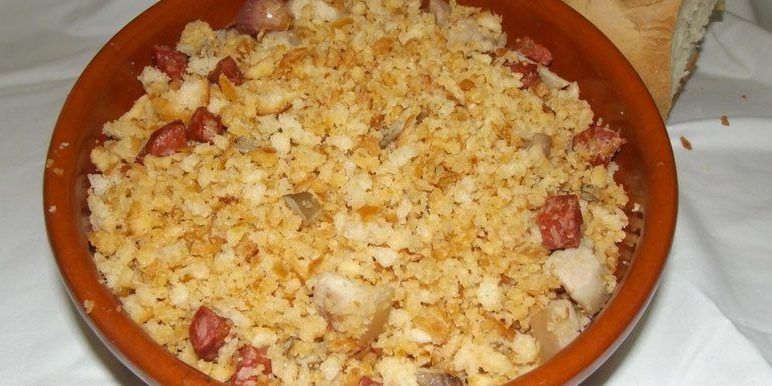
The process requires constant stirring for about 10-15 minutes. The children can take turns, creating rhythms with the spoon, and even inventing songs to accompany the movement. The texture changes from moist bread to loose, golden crumbs.
Fun tricks to get kids involved:
- Use large wooden spoons that allow wide movements
- Put on music traditional or songs that they like while stirring
- Let them invent names special for your crumbs ("Adventurous Crumbs", "Magic Bread")
- Create stories about shepherds while they cook
- Assign roles: one stirs, another watches the color, another controls the fire
The finishing touch: creativity and presentation
The basic crumbs are ready, but here begins the family customizationKids can decorate their plates with fresh grapes (the sweet-salty contrast will surprise them), a fried egg on top, or crispy pieces of bacon.
This part encourages the culinary creativity and teaches them that cooking is also an art. Each dish can be different, and each child can express their personality in the presentation.
Values that are cooked alongside the crumbs
Culture and roots
While we cook, we can tell stories about life on the moorlands: how the shepherds lived, why they needed food to give them energy, how families gathered around the fire. This way, children connect with their cultural roots in a natural and fun way.
Utilization and sustainability
The crumbs teach that nothing should be wastedStale bread isn't trash, it's opportunity. This lesson, learned early, develops an awareness of the value of food and the importance of not wasting resources.
Teamwork
Cooking together strengthens family bonds. Children learn that shared tasks They are more fun, and each person can contribute according to their abilities. They develop a sense of responsibility and family belonging.
Creativity and experimentation
Although the recipe has a traditional base, each family can adapt and personalize itChildren learn that tradition and creativity aren't opposites, that they can respect their roots while adding their own personal touch.
Patience and process
Crumbs cannot be accelerated. They teach that the best results take time and attention. In an age of immediacy, this lesson in patience is especially valuable.