
The Iberian Parameras display a geodiverse tapestry that tells the richness of their natural history. From the imposing lagoons that paint the landscape, such as the Gallocanta Lagoon and Zaida, to the majestic mountain ranges that intersperse the moors, such as the Caldereros, Aragoncillo and Menera mountain rangesThese lands reveal a geological complexity that invites exploration.
This complexity and geological diversity is reflected in the integration of a large part of this territory into the Geopark of the Molina and Alto Tajo Region.
SAWS
The mountains of Aragoncillo, Boilermakers and Menera, located in the province of Guadalajara, invite you on a fascinating journey through geological time. Its imposing landscapes, the result of millions of years of formation, are home to a rich variety of rocks, fossils and formations that tell the history of our planet.
Sierra Menera: A stone giant that divides the waters
This mountain range, with its 25 kilometers in length, stands like a stone giant that decides whether its waters will flow into the Mediterranean Sea or the Atlantic Ocean. Inside are hidden the secrets of the Alpine Orogeny, a colossal event that millions of years ago gave rise to the Iberian Mountain Range. On its slopes we find Paleozoic rocks, witnesses of a remote past, when life on Earth was just beginning.
Sierra de Aragoncillo: A forest petrified in time
An invaluable treasure is found in this mountain range: a fossil forest of the Paleozoic period. Its petrified trunks transport us to a time when Pangea, the supercontinent, was a reality. The mountains also offer us slate, quartzite and limestone.
Sierra de Caldereros: A spectacle of colors and shapes
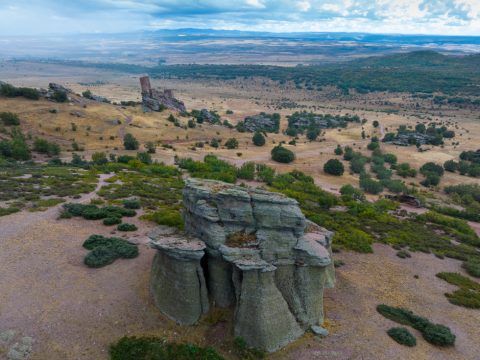
The crests of this mountain range are crowned with unique rock formations known as tormagales or towers. Its dark reddish colors contrast with the green of the pine forest and the ocher of the melojar in autumn, creating a unique visual spectacle. The sandstones that make them up are the result of erosion and sedimentation over thousands of years.
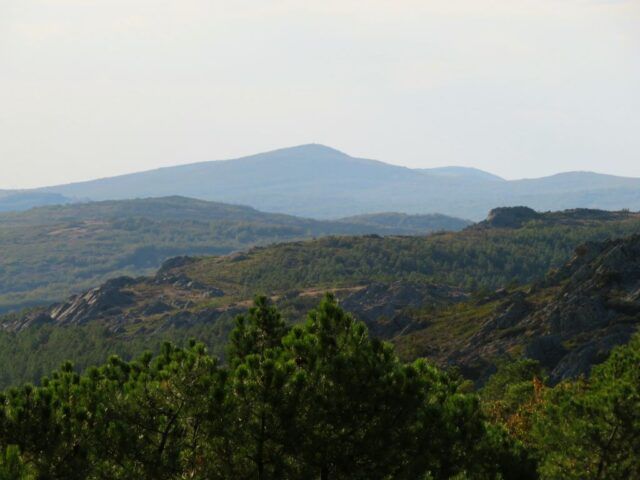
The Sierra de Aragoncillo is not simply a destination; It is a portal to another time. Here, each trail winds through a living mosaic of history, geology and biodiversity. As you explore, you are immersed in a world where the whispering of the wind tells stories of ages past and…
View more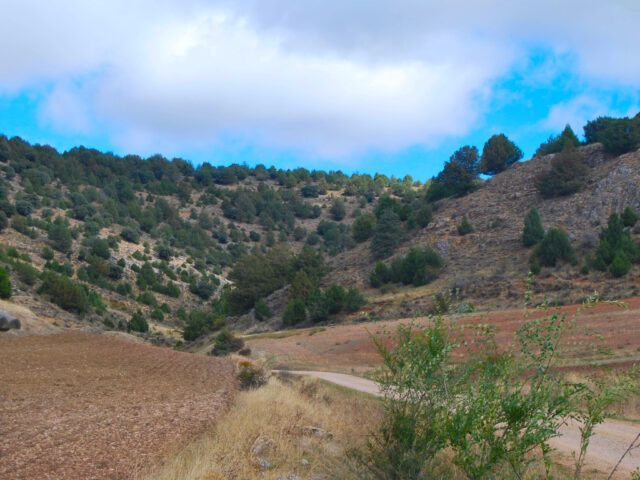
In the heart of the province of Guadalajara, the Picaza Mountains emerge as a bastion of biodiversity and natural beauty. This protected space, with its imposing peaks and secret valleys, is an open invitation to explore the purest essence of nature. Geography and Nature: A Spectacular of…
View more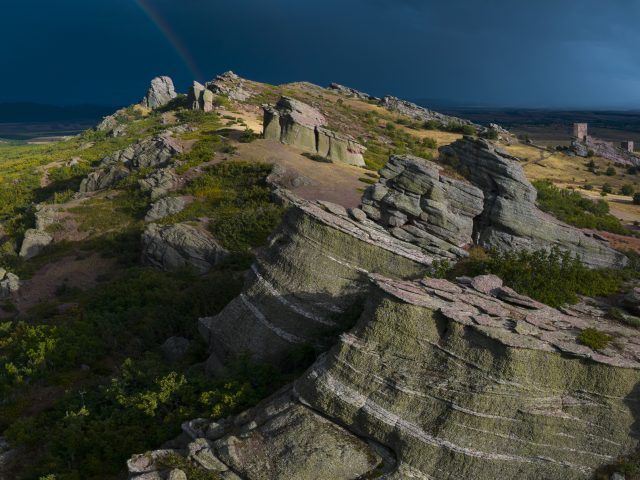
In the northeast of the province of Guadalajara, the Sierra de Caldereros rises imposingly, marking the landscape with its rugged relief and rich history. This Natural Monument not only captivates for its biodiversity but also for the legends that surround its rock formations and medieval fortresses. Geology and…
View moreVIEWPOINTS OR SITES WITH VIEWS IN THESE MOUNTAINS
- Zafra Castle
- Reconquillo Viewpoint
- Las Hoces Viewpoint
- Labros balcony
STONE AND MESA SICKLES
The rivers Table and Stone, like natural sculptors, have modeled canyons and valleys in the middle of the wastelands. Its waters meander through the highlands, creating landscapes that narrate the geological history of the Iberian Parameras. Exploring these currents is embarking on a journey through the capricious shapes that the water has sculpted in the stone over the centuries.
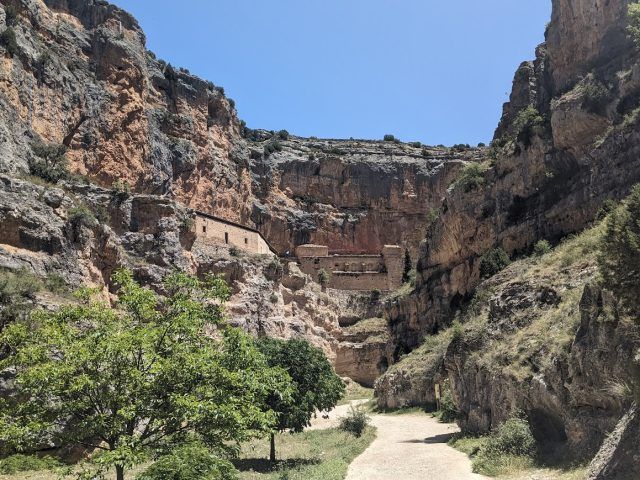
The Hoces del Río Mesa, located between the province of Guadalajara and Zaragoza, offer a natural spectacle of vertical cliffs, crystalline waters and enviable biodiversity. This destination is an oasis for lovers of hiking, nature and history. From the ruins of the Castle of Villel de Mesa…
View more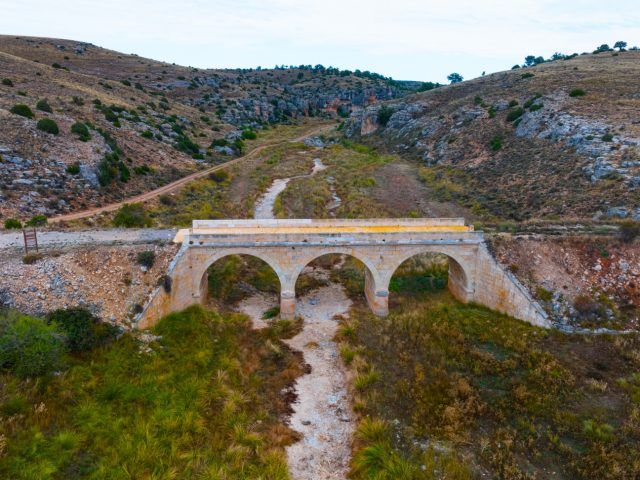
Located between Aldehuela de Liestos and Torralba de los Frailes, in the Daroca region, the Hoces del Río Piedra are a natural spectacle of vertical cuts and lush vegetation, a reflection of the sculptural force of the river over time. General Description The Hoces del Río Piedra are…
View more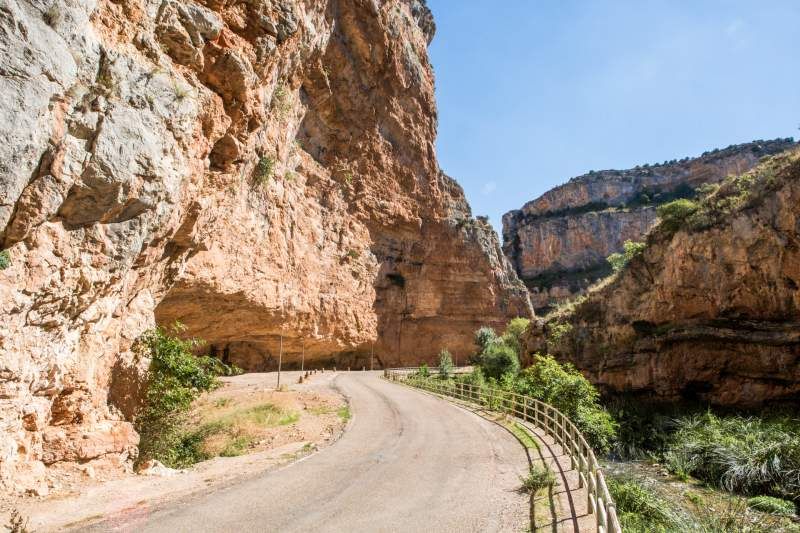
LAGOONS, A MIRROR OF THE STEPPE
Exploring the numerous lagoons that dot the moorland reveals ecological sanctuaries for waterfowl, where life flourishes in harmony with nature. These places, in many cases, with their pristine environment, add a symphony of biodiversity to this natural setting. To immerse yourself in these wetlands is to immerse yourself in a world of fascinating visual splendor.
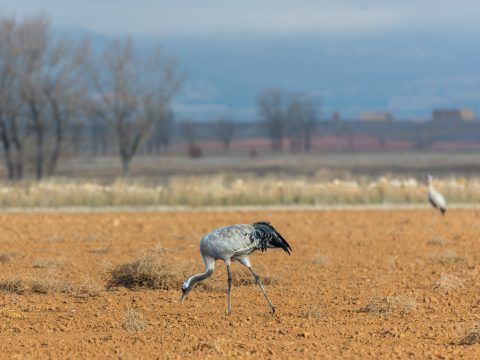
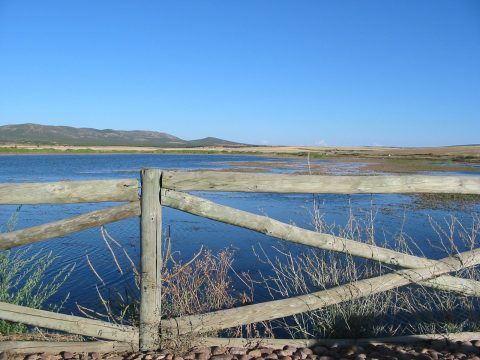
GALLOCANTA LAGOON
The Gallocanta Lagoon, located between the provinces of Teruel and Zaragoza, is an endorheic wetland of singular beauty and great ecological importance. With a surface area of 14.4 km² and an average depth of 45-50 cm, the lagoon becomes a vital oasis for a wide variety of migratory birds.
The lagoon is located at the bottom of an ancient polje, a large karst depression that originated at the end of the Tertiary Era and developed during the Quaternary Era. This geological formation is characterized by an elongated, closed, flat-bottomed valley, with irregular contours that, when flooded, gave rise to the lagoon.
The land surrounding the lagoon is composed of karst materials, mainly limestone and dolomite, which are permeable and allow water infiltration. This water filters into underground aquifers, which in turn feed the lagoon from underground.
OTHER LAGOONS OR WETLANDS
- Laguna Honda
- Flat Lagoon
- Cuartizo Lagoon
- La Zaida Lagoon
- Setiles Lagoon
- Tordesilos Lagoon
- Carabejas Raft
- Guialguerrero Lagoon
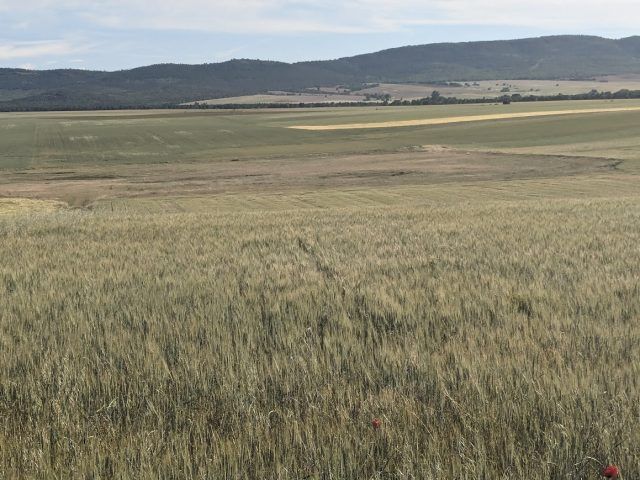
La Laguna del Cuartizo, a lagoon that is often secret and quiet, unfolds like a tapestry in the vast landscape of the steppe. This place is not just a point on the map, but a vibrant refuge where life and the tranquility of nature converge. The Essence…
View more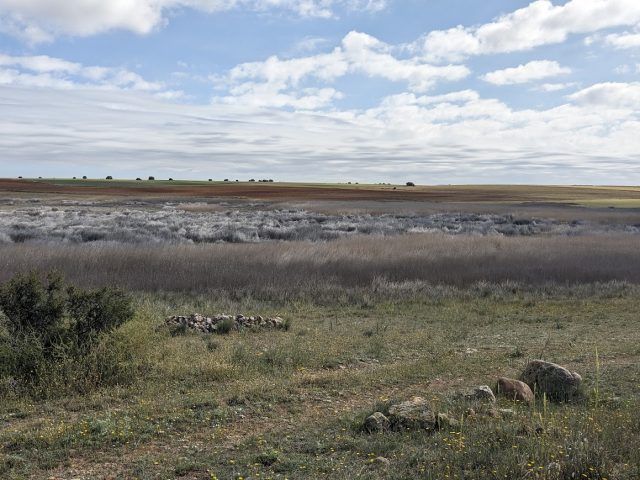
Laguna Llana, located in the heart of La Yunta, is a temporary paradise that transforms with the seasons. A place where water, when it decides to make an appearance, brings with it a carnival of life, colors and sounds. The Heart of Laguna Llana: An Ephemeral and Diverse Ecosystem…
View more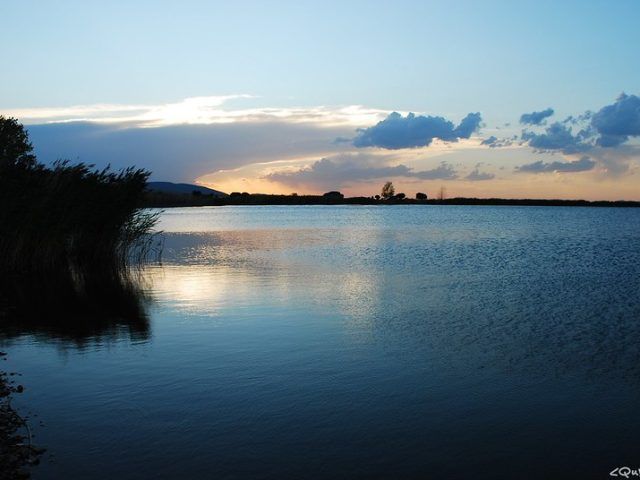
In the lands surrounding the famous Zafra Castle, a natural sanctuary emerges with the promise of tranquility and discovery. Welcome to Laguna Honda, an aquatic enclave where nature displays its splendor. This lagoon is not just a body of water; It is the heartbeat of Campillo de…
View more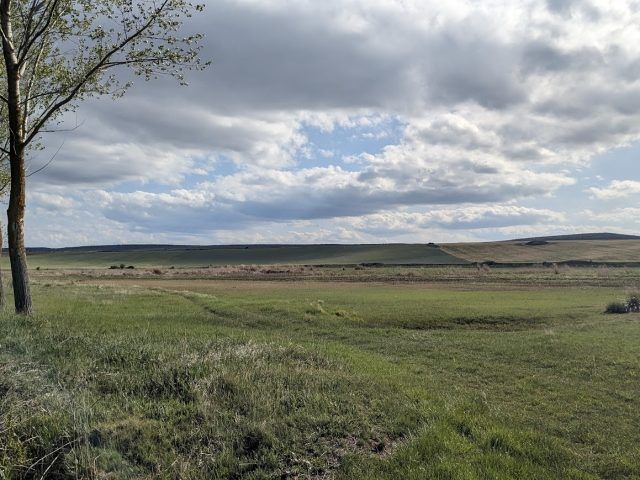
Tordesilos Lagoon is a small but fascinating wetland, located near the town of Tordesilos. This natural enclave, characterized by its clay base and surrounded by reeds, offers a peaceful retreat and an idyllic setting for lovers of nature and ornithology. General Description The…
View more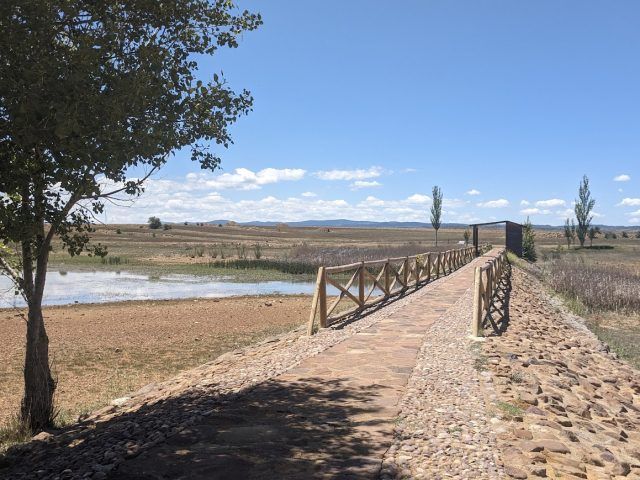
Laguna de Setiles, also known as Laguna de los Majanos, is a small but significant wetland located near the town of Setiles. This natural jewel, embedded in an environment of tranquility and beauty, offers its visitors a unique experience of connection with nature and…
View more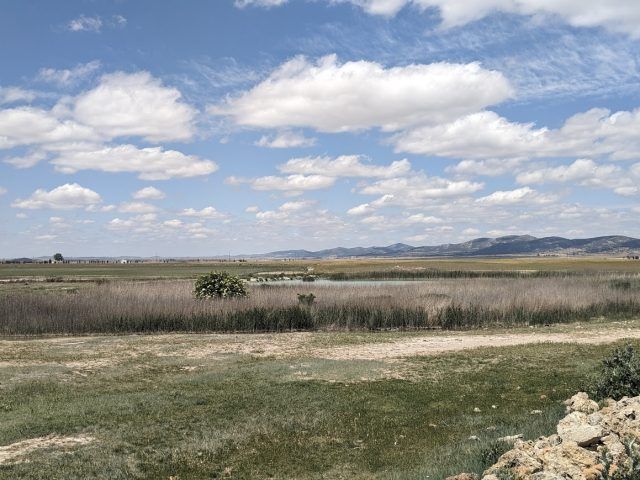
Located near Torralba de los Sisones, the Carabejas Balsas represent a small but fascinating wetland within the endorheic basin of the Gallocanta Lagoon. This natural enclave, known for its rich biodiversity, is especially relevant in winter, when it becomes an ideal setting for…
View more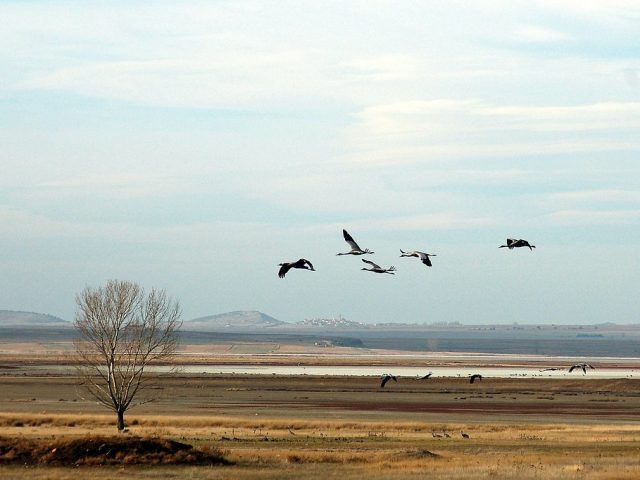
The Gallocanta Lagoon, located on the border between Zaragoza and Teruel, is a natural spectacle of unparalleled beauty. This saline wetland, the largest in the Iberian Peninsula and one of the best preserved in Western Europe, stands like an oasis in the arid Aragonese steppe. Conformed to…
View more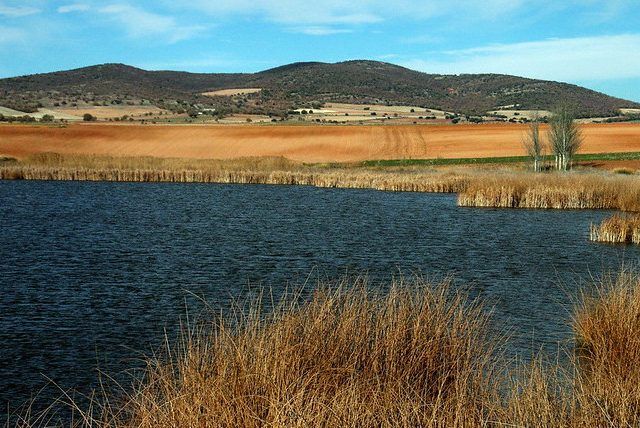
The Guialguerrero Lagoon is a fascinating corner that is part of the Gallocanta lagoon complex, located in the town of Used, in Campo de Daroca, Zaragoza. This wetland is a true treasure for bird watchers and nature lovers. In this article, we will explore…
View more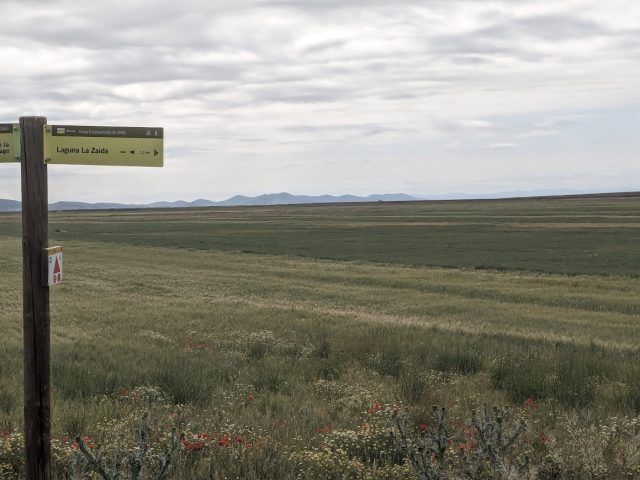
Zaida Lagoon is a natural treasure located in Used, in the province of Zaragoza, that has captivated visitors and locals for generations. This article will take you on a journey through its history, ecology and its importance to the local community. This beautiful lagoon, which encompasses…
View more