
Welcome to the natural wealth of the Iberian Parameras, a set of five unique landscapes that unfold across an extensive territory. These parameras, characterized by high, barren and unsheltered terrain, in which most of the time, not a single tree grows and the cold advances in every corner, are witnesses of a complex interaction between geology, climatology and human activity. Each of them contains fascinating stories and rich biodiversity.
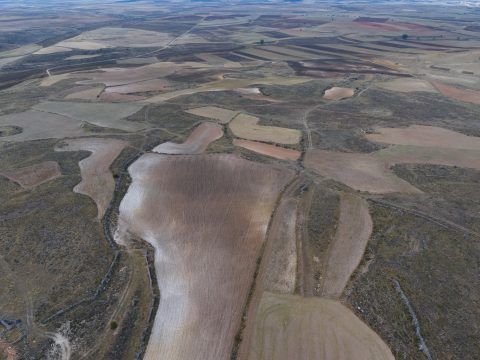
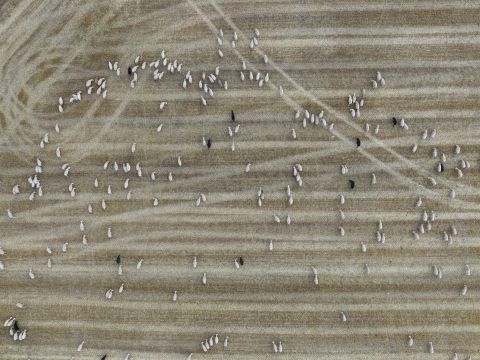
MOLINA PARAMERAS
The moors of Molina de Aragón are a natural treasure that invites travelers to immerse themselves in a landscape of unique beauty. This vast territory is characterized by extensive plains dotted with oaks and pines, creating a bucolic image that seems to stop time. The richness of the flora and fauna of this region captivates nature lovers, offering a refuge for native species and becoming a perfect setting for bird watching and hiking.
REPRESENTATIVE PLACES
- Bull Ravine
- Fossil Forest
- Star Mines
- La Penuela
- Fuentelsaz stratotype
In addition to its natural exuberance, the moors of Molina de Aragón are home to a fascinating historical-cultural heritage. Charming towns like Molina de Aragón and its surroundings offer the possibility of immersing yourself in history, discovering old churches, castles and traditional buildings such as lime kilns, wells or watering holes that reflect the rich heritage of the area.
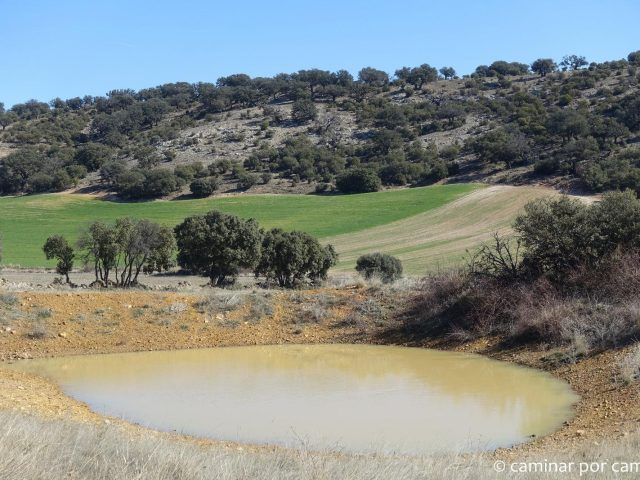
At the threshold where history and nature converge, lies the Dehesa de El Pedregal, a place where time seems to have stopped to bear witness to the harmony between man and the natural environment. This unique space, located in a border enclave brimming with biodiversity and…
View more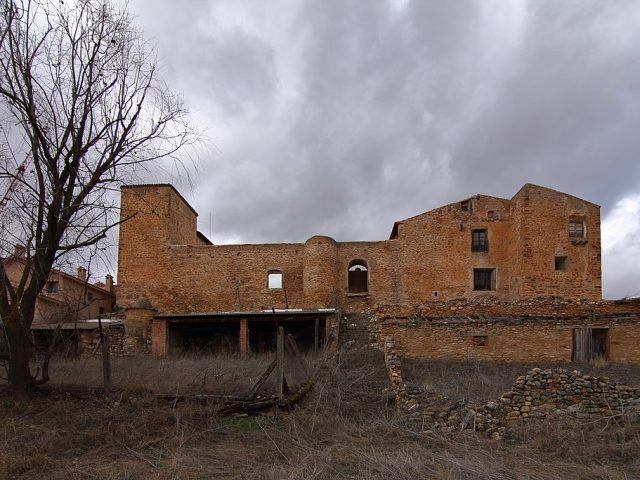
Castilnuevo Castle, majestically rising above a valley in the province of Guadalajara, is a portal to the past, a living testimony to the history and culture that defined the Middle Ages in Spain. This bastion, whose walls have witnessed conquests, noble retreats and uprisings, invites you to visit the castle…
View more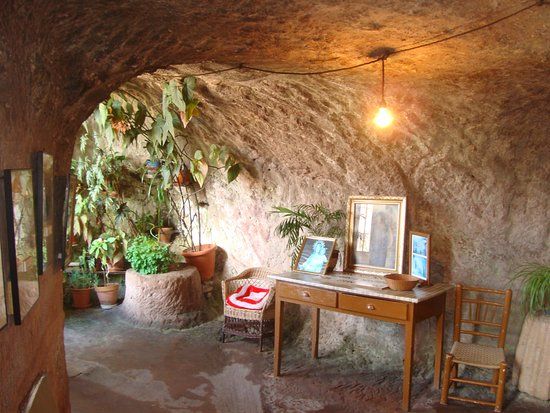
The Stone House of Alcolea, more than a structure, is a testimony to human resilience and ingenuity. In this small town in Alcarria, Lino Bueno transformed a rock into a home, offering a lesson in life and creativity that endures to this day. Lino Bueno: The Architect of the…
View more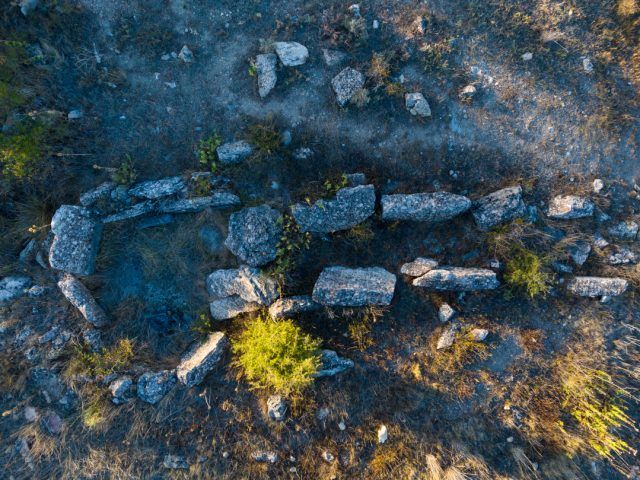
The Aguilar Dolmen of Anguita is not just a monument; It is a portal to the past that transports us to life and death in Neolithic Spain. This archaeological site, one of the oldest and best preserved in Spain, is a silent testimony of ancient civilizations…
View more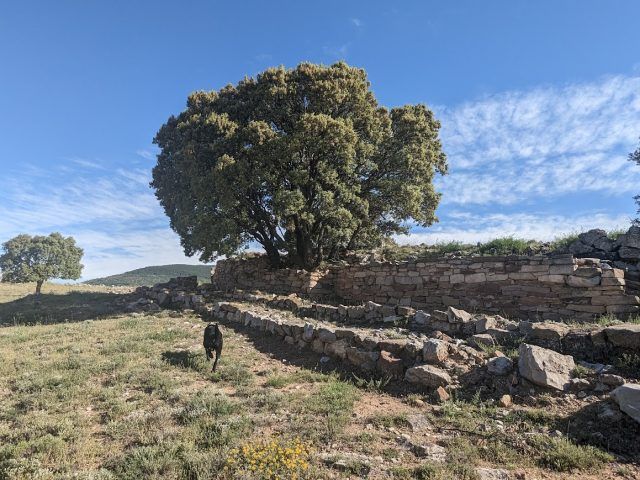
Rising on the heights of the Molina de Aragón moorland, the Castro de los Rodiles, in Cubillejo de la Sierra, is a living testament of the rich Celtiberian history present throughout this area. This ancient settlement, shrouded in the mystery of time, offers a unique window to the…
View more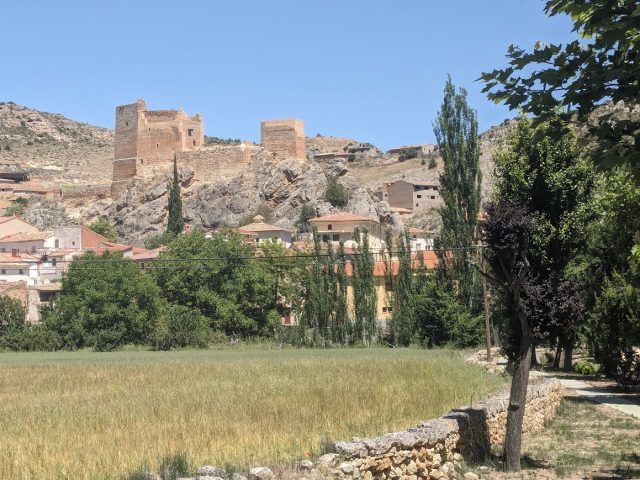
On the heights of Villel de Mesa, the Funes Castle stands out against the sky like an eternal guardian of history. This symbol of power and resistance, with its walls that defy time, invites travelers to delve into its secrets and relive the…
View moreWHITE PARAMERA
The Parameras de Blancas, located between the municipalities of Odón and Blancas in the province of Teruel, make up a large protected area that covers around 4,033 hectares. This natural enclave stands out for its peniplanicie topography, with a gentle slope towards the Gallocanta basin, where its waters flow. Despite the current degradation caused by karst processes, the area is home to a rich diversity of flora and fauna, highlighting steppe species such as the Dupont's Lark, little bustards, harriers, among others.
REPRESENTATIVE PLACES
- Peracense Castle
- Gallocanta Lagoon
- The Eyes of Monreal del Campo
- The Black Eye Mines
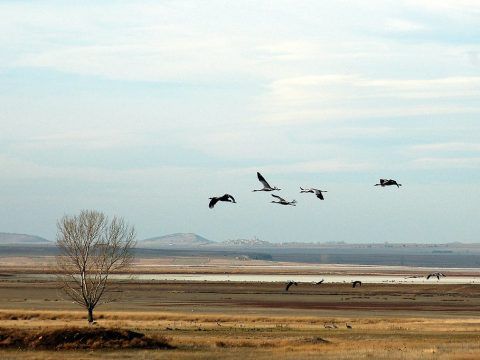
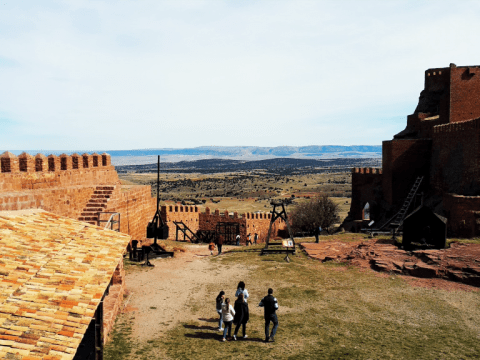
The Paramera de Blancas is a faithful reflection of the Iberian parameras, predominating uncultivated lands with toyago and thyme bushes. In addition to its livestock vocation, the area has small crop fields, bee farms and farrowing pens that reveal its historical and cultural importance. The towns of Odón and Blancas sit near the boulevards, taking advantage of the presence of water that also benefits the local fauna. This space, designated as Special Protection Area for Birds (ZEPA), is home to various animal species and has a varied flora, making it a unique corner that combines the conservation of the environment with respect for its rich biodiversity.
MARANCHÓN MOUNTAIN
The Parameras of Maranchón, Hoz del Mesa and Aragoncillo, designated as space Nature 2000 and cataloged as a Special Conservation Area (ZEC) and Special Protection Area for Birds (ZEPA), extend over a vast area that encompasses diverse landscapes of great environmental value. This space comprises three main environmental units:
- Parameras: Located on cold plateaus with limestone substrate, these moors stand out for their extensive juniper and grassland forests, creating a characteristic moorland landscape. In the northern area, the albar juniper forest, the largest in Castilla-La Mancha, is expanding due to the decrease in livestock pressure and the abandonment of less profitable crops.
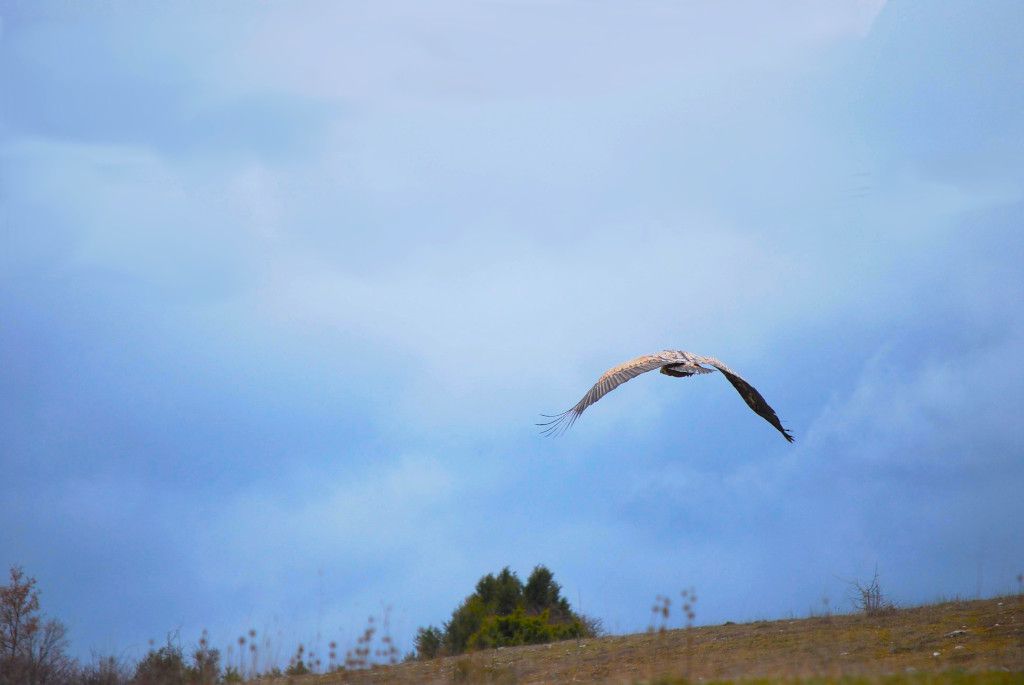
- Mesa River Sickle: Carved on secondary and tertiary lands, this sickle presents escarpments, geliffracts and gleras on the slopes. Its geological uniqueness translates into the presence of diverse communities, such as subrupicolous black juniper forests and holm oak forests, being a crucial nesting place for rupicolous birds of prey such as the griffon vulture and the Egyptian vulture.
- Sierra de Aragoncillo: With an altitude of 1,518 meters, this elevation of the Paleozoic base is composed of quartzites, Paleozoic slates and sandstones from the Buntsandstein. The vegetation includes rebollares and jarales, being a silicon habitat of great interest.
POZONDON MOUNTAIN LAND
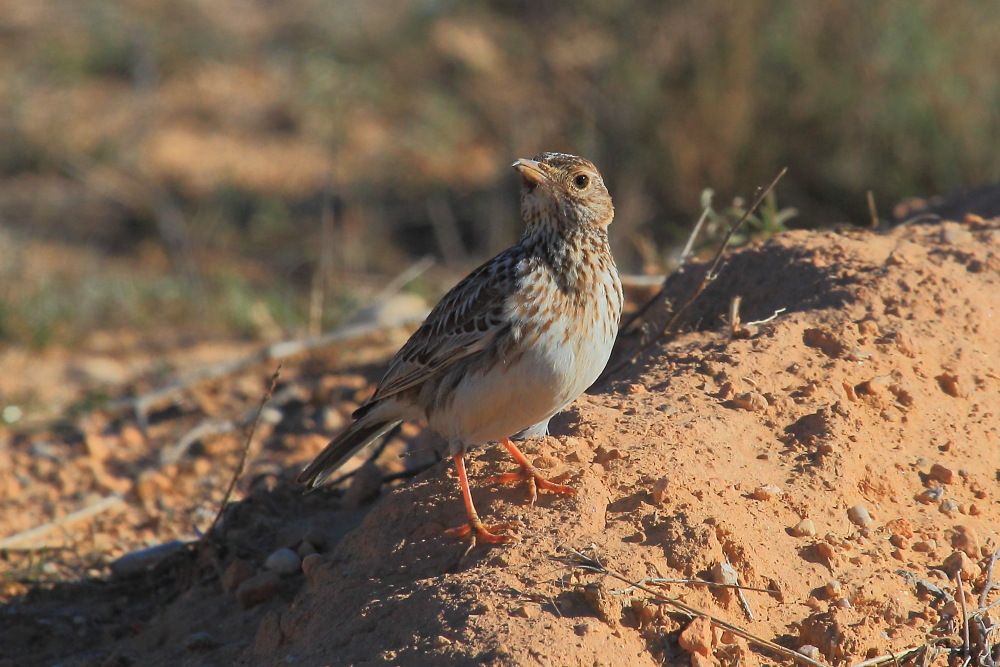
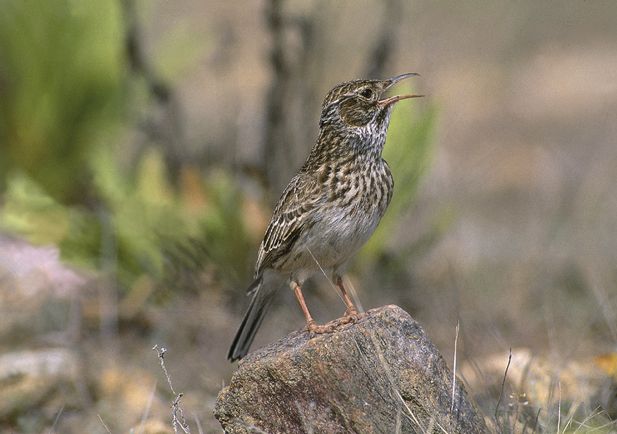
The moors of Pozondon and Rodenas, located in the picturesque Sierra de Albarracín, not only stand out for their arid and elevated beauty, but also for being the refuge of a unique winged jewel: the ricotí lark, affectionately called "the ghost of the moor". These moors, defined by their barren and unsheltered flat terrain, present a unique ecosystem characterized by extensive high plains hit by the wind and populated by creeping juniper bushes.
The small and elusive Lark is the hidden treasure of this area. Its uniqueness and the difficulty of spotting it make it a notable attraction for bird lovers, both local and international. In addition to the Lark, these moors are home to various species of steppe birds, such as the Wheatear, recognizable by its white, grey and black colours.
LAYNA PARAMERA
Layna Paramera, located between the towns of Anguita, Luzon (province of Guadalajara), and Benamira and Layna (province of Soria), appears at first glance as a desolate and open wasteland. However, upon observing this landscape in detail, it is revealed to be a complex geological structure formed by a system of overlapping poljes that create a plateau. This environment, conditioned by a calcareous lithology with deep horizons and an extreme continental climate at almost 1,200 meters of altitude, has limited its agricultural use, dedicating itself mainly to pasture livestock farming.
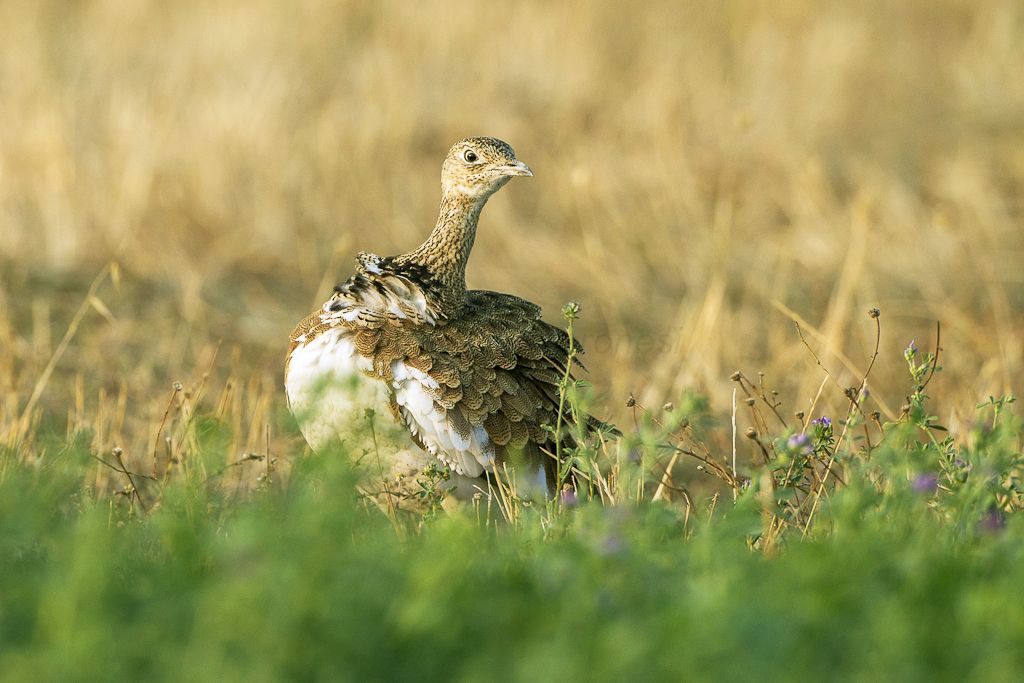
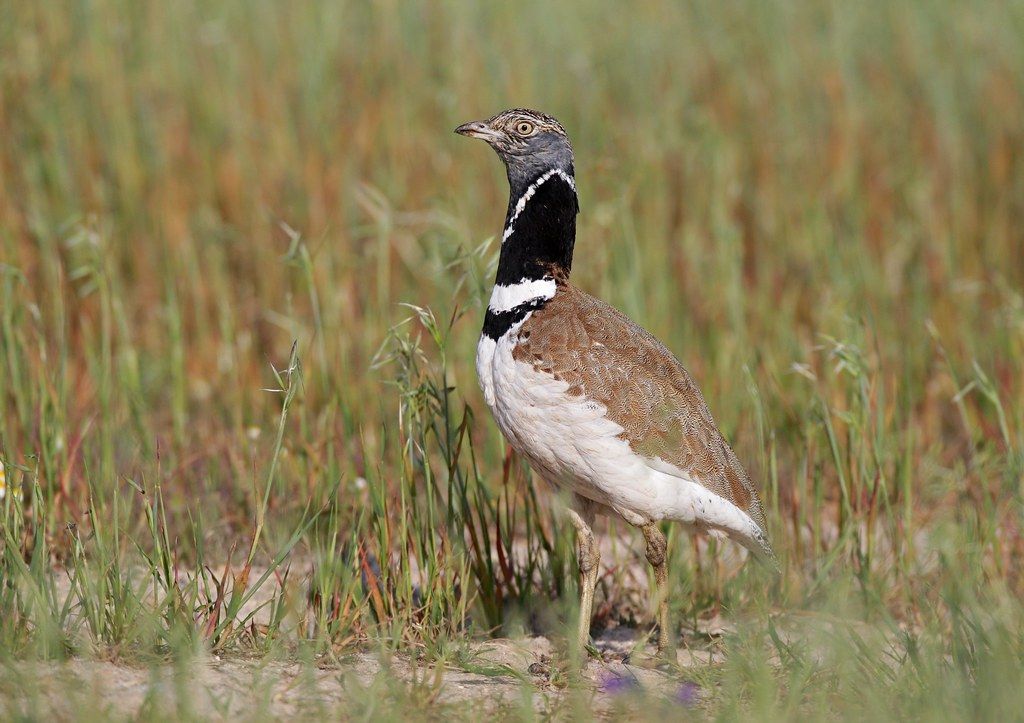
The hardness of the limestone crust and the exposure to the winds, evidenced by the construction of a tiny and solitary dry stone shepherd's hut, oriented against the prevailing wind, have contributed to the depopulation of some nearby settlements such as Villaseca. These adverse conditions, however, have created an ideal habitat for bird species such as the ricotí lark or the little bustard, which find refuge in these solitary moors.
CURIOSITY
A curiosity that is not always noted is that the Ricotí Lark represents one of the most difficult animals to see in all of Europe. So if you manage to see it, congratulations, you are very privileged.