
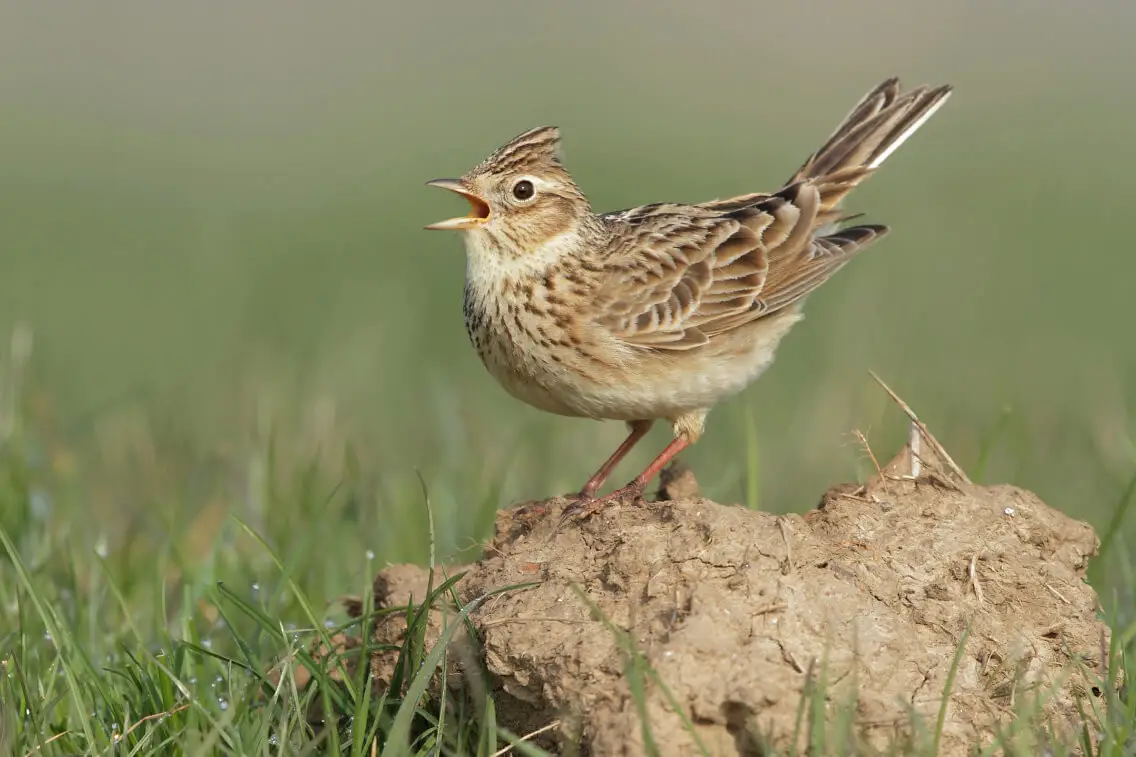
The Dupont's lark (Chersophilus duponti), a small bird with discreet plumage and a melancholic song, is a hidden gem of our biodiversity. Endemic to the Iberian Peninsula and North Africa, this species has been for centuries a characteristic inhabitant of the vast grasslands and steppes of the Iberian SystemHowever, in recent decades, the Ducco's lark has experienced an alarming population decline, making it one of the most endangered birds in Europe.
A song to the steppe
The red-crowned lark is a bird closely linked to steppe ecosystemsIts ideal habitat is open, dry grasslands with low scrub and sparse trees. These environments, shaped over centuries by traditional livestock farming, offer this small bird the resources it needs to survive: insects, seeds and suitable places to nest on the ground.
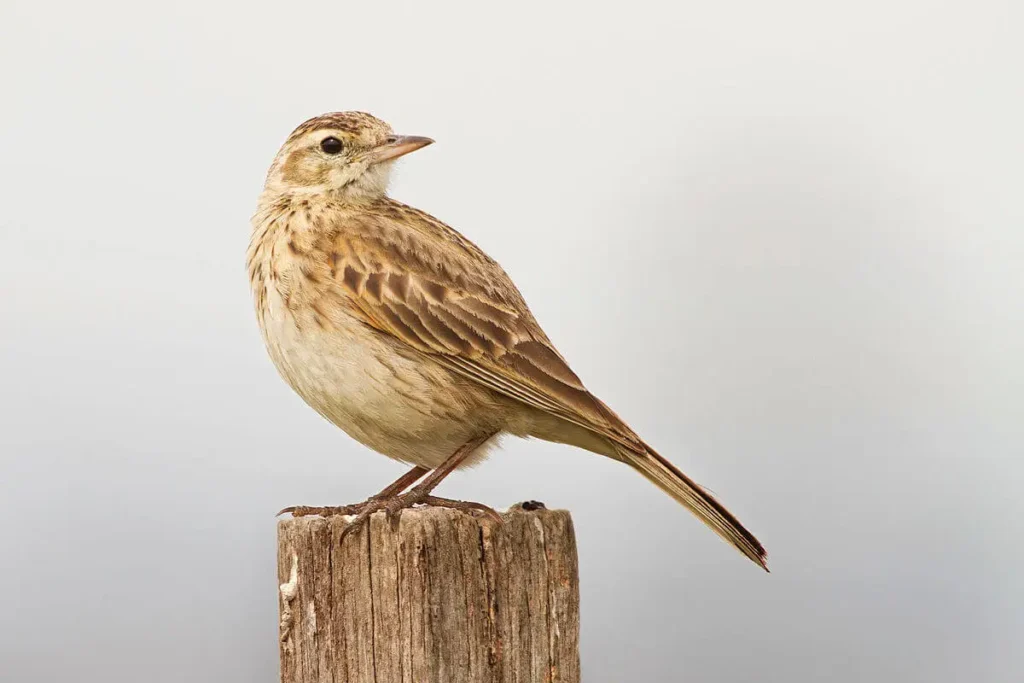
Its song, a metallic and repetitive call, is one of the hallmarks of the Iberian steppes. This sound, heard especially during the breeding season, announces the presence of this discreet bird and contributes to creating a unique atmosphere in the landscapes where it lives.
Threats and decline
The Dusky Lark faces multiple threats that have jeopardized its survival. The main causes of its decline include:
- Habitat loss and fragmentation: Agricultural intensification, urbanisation and forest expansion have drastically reduced the extent of steppe grasslands, the natural habitat of the Duc-t's lark.
- Changes in agricultural practices: The decline in extensive livestock farming and the abandonment of traditional farming systems have led to the loss of insect diversity and changes in the landscape.
- Use of pesticides: The use of chemicals in agriculture has contaminated soils and reduced the availability of food for the Dusky Lark.
- Climate change: Rising temperatures and decreasing rainfall are altering weather patterns and affecting the availability of resources for this species.
The LIFE Ricotí project: a hope for conservation
In view of this critical situation, various initiatives have been launched to conserve the Ducti lark and its habitats. LIFE Ricotí project, funded by the European Union, is one of the most ambitious actions in this regard. This project's main objective is to improve the conservation status of the species through different actions, such as:
- Habitat restoration: Steppe grassland restoration work is carried out by removing invasive scrub and creating open areas.
- Livestock management: Collaboration with livestock farmers is encouraged to maintain open grasslands and promote biodiversity.
- Population monitoring: Periodic censuses are carried out to assess the evolution of the Ducti's lark populations and adjust conservation measures.
- Translocations: In some cases, translocations of individuals are carried out to reinforce isolated populations or recolonize areas where the species has become extinct.
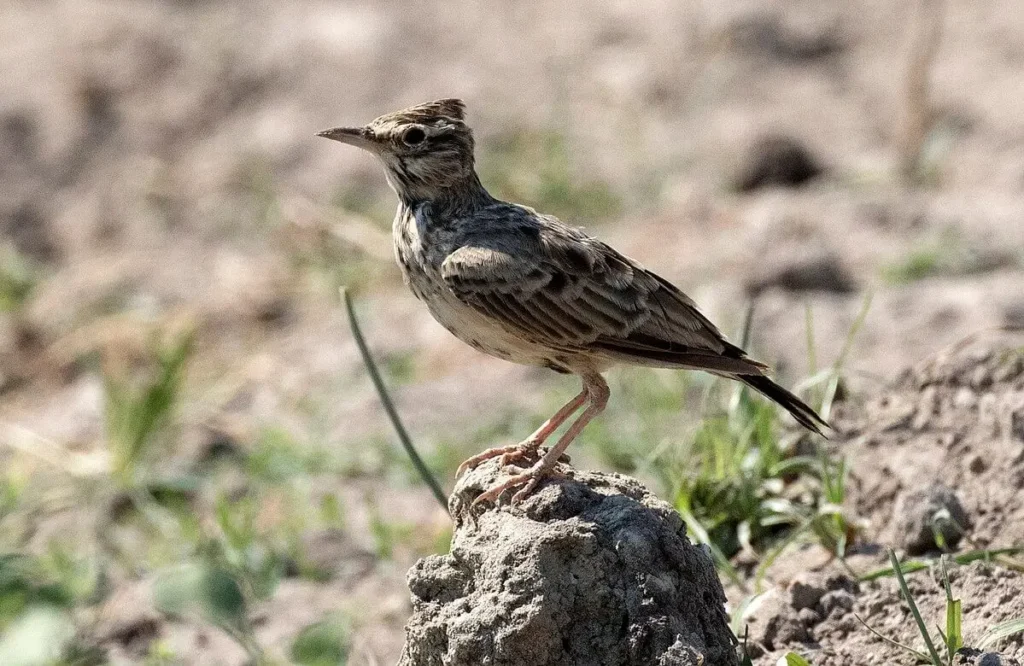
The red-crowned lark, an indicator of the health of our ecosystems
Conservation of the Dumpling's Lark is not just important for this particular species, but has much broader implications. This bird is an excellent indicator of the health of steppe ecosystems. Their decline reflects the loss of biodiversity and the degradation of these valuable habitats.
By protecting the Ducot's lark, we are also protecting many other species that share its habitat, such as great bustards, little bustards, larks and a wide variety of insects and reptiles.
How can we help?
Each of us can contribute to their conservation and that of their habitats:
- Consume local and seasonal products: Promotes organic farming and supports local producers who respect the environment.
- Reduce energy consumption: Climate change is one of the main threats to biodiversity. By reducing our energy consumption we can help mitigate its effects.
- Participate in volunteer activities: Collaborate with organizations that work on nature conservation.
- Spread the word: It raises awareness of the situation of the Dupont's lark and the importance of its conservation.
The Ducti lark is much more than just a bird. It is a symbol of the beauty and fragility of our steppe ecosystems. By protecting this species, we are protecting our natural heritage and ensuring a more sustainable future for generations to come.