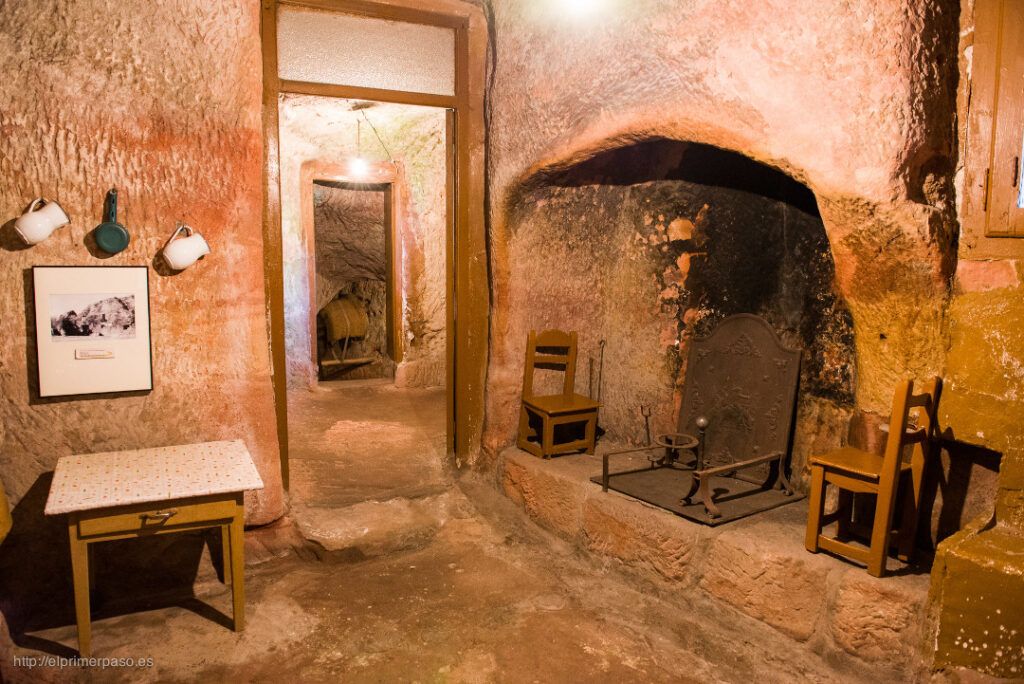
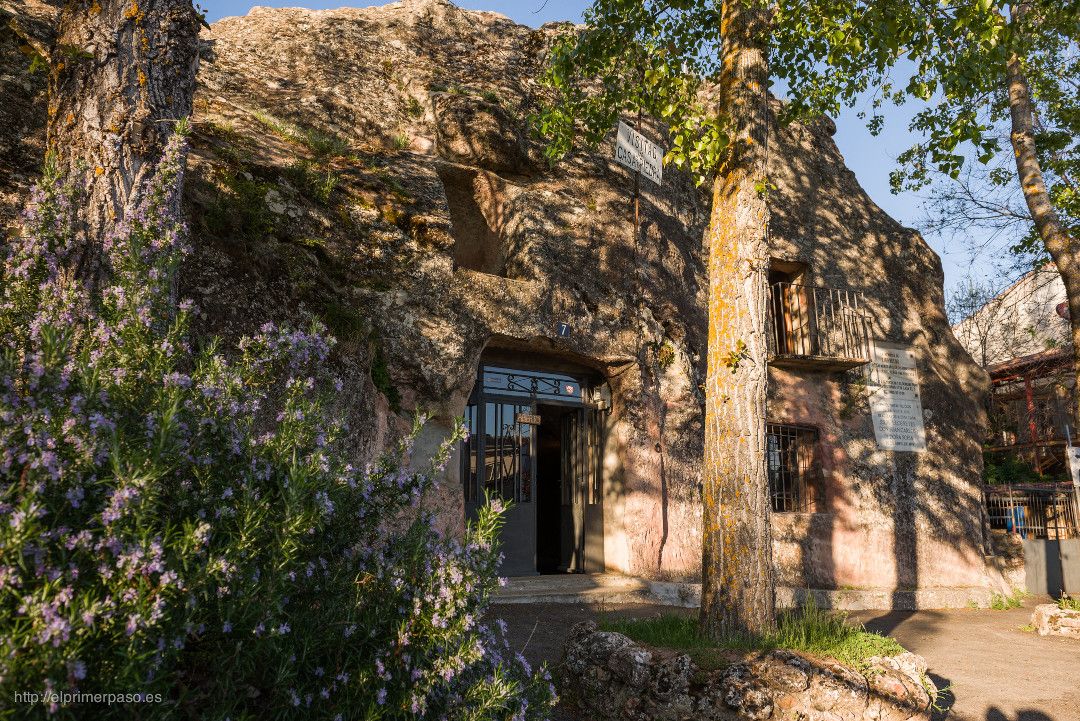
In the heart of Guadalajara, Spain, in the small town of Alcolea del Pinar, stands a monument to human perseverance that defies imagination. The Stone House, patiently carved from a single rock over nearly three decades, represents the extraordinary legacy of a man who refused to give up on his dream of providing a home for his family: Good Linen.
The origins of a dream
The story begins in 1907, when Lino Bueno, a 55-year-old man from Esteras de Medinaceli, found himself faced with a dilemma that many Spaniards of the time faced: the need to provide a decent home for his large family of fifteen childrenIn a time marked by poverty and economic hardship, Lino could not afford to pay monthly rent, much less buy a conventional home.
However, where others saw impossibilities, Lino Bueno saw an opportunity in a large rock belonging to the town council. With unwavering determination, he proposed a bold deal to the local authorities: If he managed to build a decent home inside the rock, it would become his property.
Construction: an act of faith and perseverance
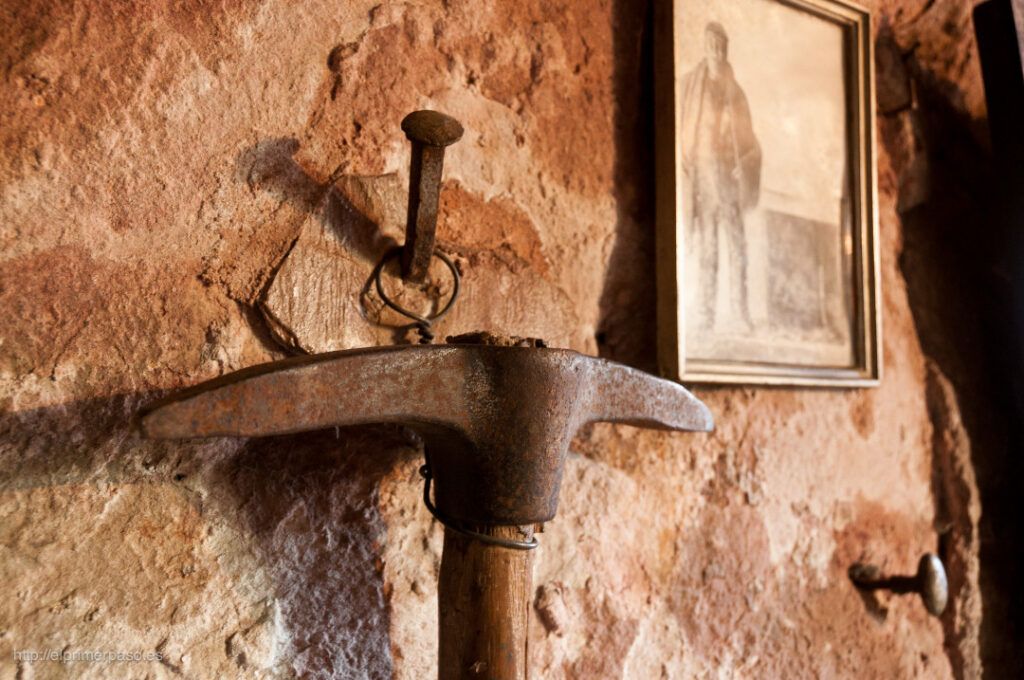
Armed only with a pick, a chisel and a mallet, Lino began his extraordinary work. What was initially He thought it would be a simple "den" or temporary shelter, gradually transformed into something much more ambitious. The city council, which was initially sceptical about the project, began to establish additional requirements to consider the house as “decent”: it needed a kitchen, bedrooms, stables… And Lino, far from being discouraged, responded to each new challenge by expanding his project.
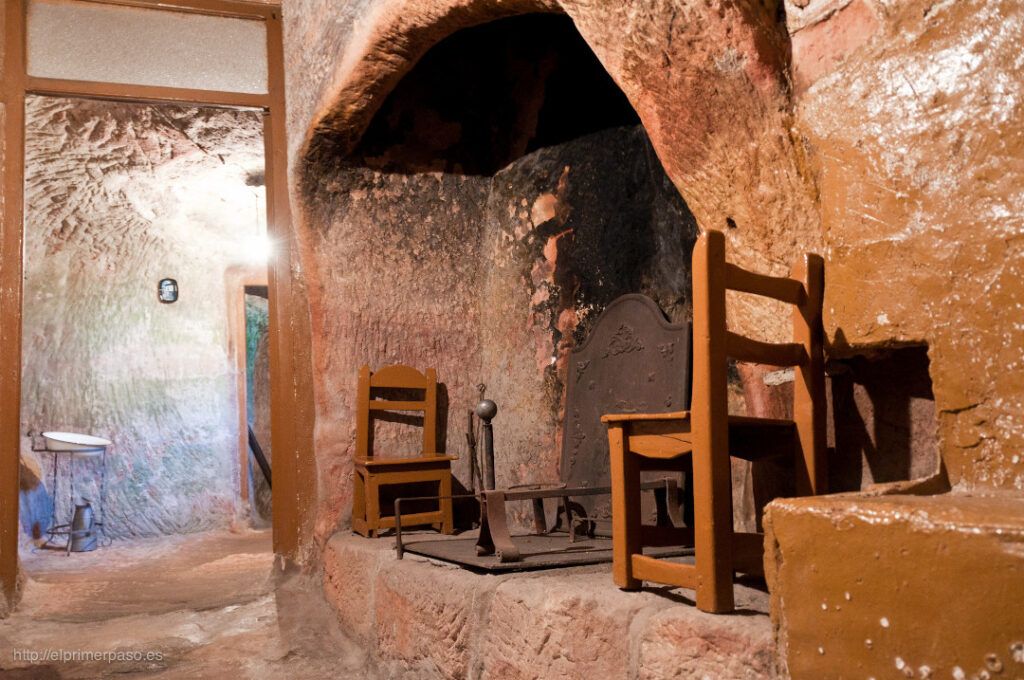
During 28 years old, he worked tirelessly, mainly at night, lighting himself with lamps while he chipped away at the rock. Every blow of his pickaxe represented a step closer to his dream, every splinter of stone removed a testament to his unwavering will. The construction was not just an act of necessity, but a display of architectural ingenuity: the floors, the walls, the ceilings, even the shelves and the sink, all were carved from the same bedrock.
From "crazy" to recognized genius
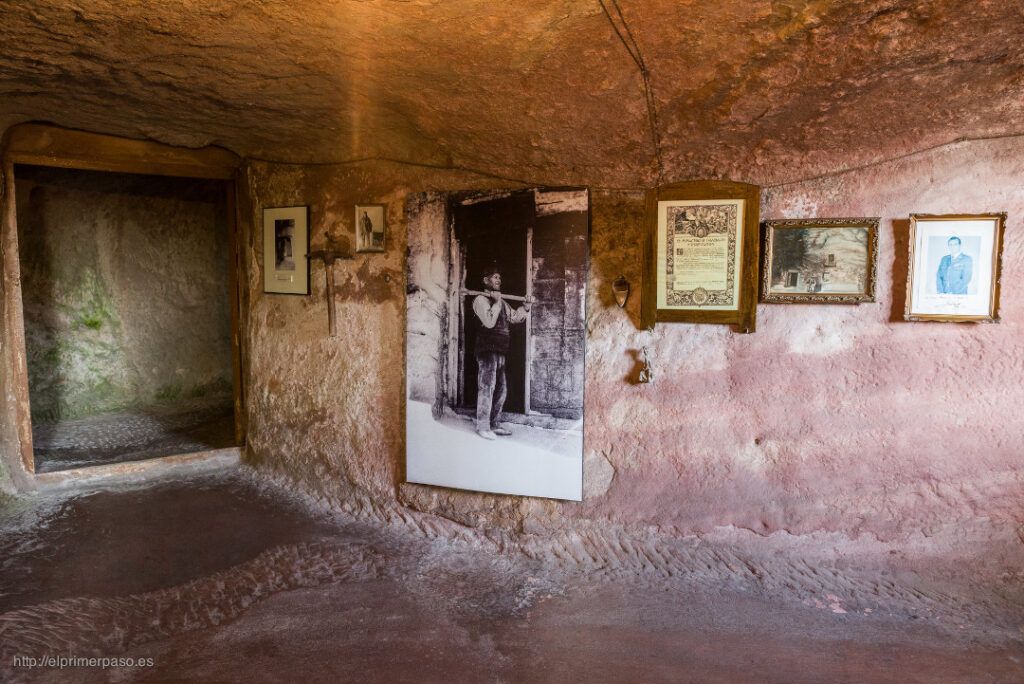
As is often the case with visionaries, Lino was initially regarded as “the village madman.” However, his persistence began to bear fruit that no one had anticipated. News of his extraordinary undertaking reached the ears of Spanish royalty, and In 1928, King Alfonso XIII personally visited the Casa de Piedra.
The royal visit marked a turning point in the history of Lino and his house. The monarch was so impressed by the work that, it is said, It was the inspiration for the creation of the Medal of Merit for Work, of which Lino was one of the first recipients.The royal visit also accelerated the process of signing the title deeds to the property, finally legitimizing Lino's rights to his work.
A unique architectural legacy
The Stone House Lino created is not a simple inhabited cave. It is a complete and functional dwelling that includes a spacious entrance, a living-dining room, a large kitchen, bedrooms, and even stables below. Each room displays the distinctive marks of Lino's beak, creating a unique pattern that adds character to the walls and ceilings.
It is estimated that Lino dedicated approximately 100,000 hours of work to his project. And although he was the only one who was chipping away at the rock, it is important to mention the role of his wife, who was in charge of loading the donkey's saddlebags with the debris and transporting it to a nearby valley, material that would later be used in the construction of the national highway.
The house during the Civil War and after
The history of the Casa de Piedra is also intertwined with significant historical events. During the Spanish Civil War, the family was temporarily evicted when the house was used as a powder magazine and shelter. Although it suffered some material damage during this period, the solidity of its construction allowed it to survive practically intact. As a historical curiosity, the electrical installation that the military installed during the war remains original to this day.
After Lino's death in 1935, the house continued to be inhabited by members of his family. Its last inhabitants were two of his daughters, who lived there until the 1980s, mainly devoting themselves to showing the house to visitors who even then came to admire their father's work.
A heritage at the crossroads
Nowadays, The Stone House of Alcolea del Pinar is at a crucial moment in its history. As a private property in the hands of Lino Bueno's descendants, the family faces the challenge of preserving this extraordinary legacy for future generations. Although the house is for sale, Lino's heirs are looking for more than just a well-off buyer: They are looking for a project that preserves the values that motivated its construction and maintains its accessibility to the public..
The house, which has been visited by generations of Spanish and international tourists, remains the main tourist attraction in Alcolea del Pinar. Visitors who discover it for the first time are often amazed not only by its size and complexity, but by the fact that the entire structure is carved into a single rock.
The story of Lino Bueno and his Casa de Piedra teaches us that true greatness does not always lie in grand projects backed by abundant resources, but in the unwavering determination of ordinary individuals who dare to pursue their extraordinary dreams. As long as the house stands, it will continue to inspire new generations with its message of perseverance, ingenuity and human dignity.
As we look at Lino’s beak marks on the walls of his home, we see not just the work of one man, but a testament to a time when need and poverty were overcome by human willpower and creativity. It is a constant reminder that sometimes life’s greatest obstacles can become our greatest achievements.