
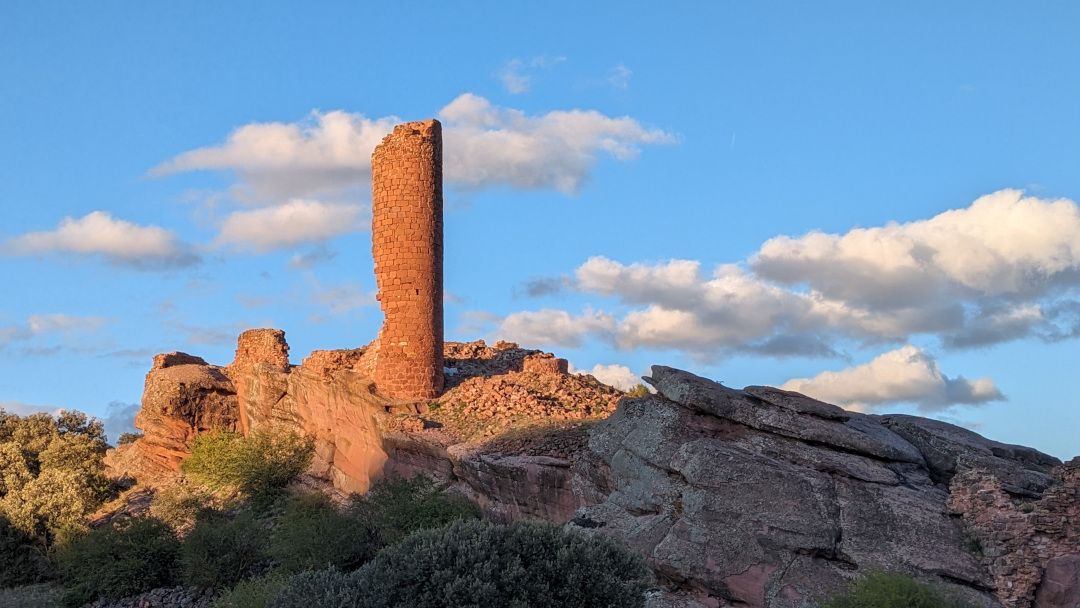
In the vast Iberian plains, where the wind whispers centuries-old stories among the reddish stones, the majestic Castle of the Ares, a silent sentinel that has watched over the ancient territories of Teruel for centuries. This architectural treasure, Located just two kilometers from Pozondón, transports us to a time when Christian kingdoms forged their borders and territorial disputes shaped the landscape we know today.
The history of the castle dates back to the turbulent 12th century, when the Iberian Peninsula was a mosaic of kingdoms in constant conflict. At that time, The Castle of the Ares was erected as the most important outpost of the independent lordship of Albarracín, marking a milestone in the military history of the region. Its strategic location made it a crucial point for the control of the territory, witnessing countless battles and agreements that would shape the future of Aragon.
The golden age of the castle
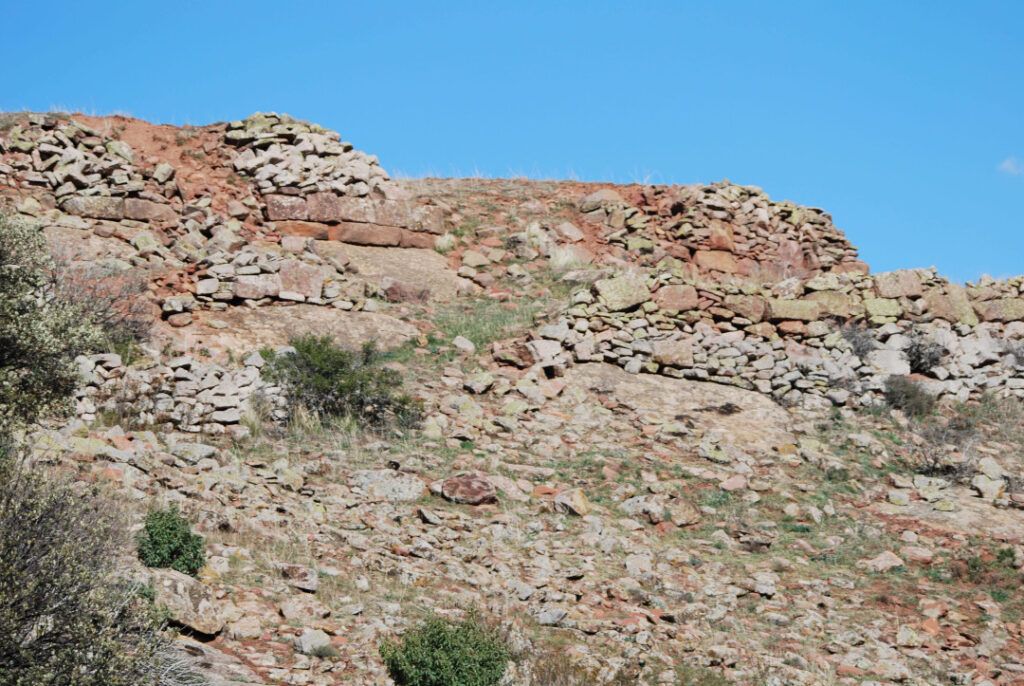
During its period of greatest splendor, the walls of this fortress witnessed events that would change the course of regional history. The year 1284 marked a turning point when Alfonso III incorporated the lordship into his domains., transforming the castle into an integral part of the Community of Villages of Albarracín, specifically in the Bronchales SesmaThis period saw the castle become a centre of power and territorial administration.
Life in the castle during these golden years was a reflection of medieval society as a whole. The walls we see today silently They were home to intense military and administrative activity, with permanent garrisons that watched over the surrounding territories.The castle's now-ruined rooms witnessed war councils, celebrations and decisions that would affect future generations.
Architecture that defies time
The charm of the Ares Castle is evident in each of its architectural elements. Built with the characteristic rodeno stone, the same material that gives its distinctive appearance to the nearby Peracense Castle, its reddish walls blend into the surrounding landscape in a perfect symbiosis between nature and architecture. This choice of materials not only responded to practical reasons of availability, but also provided the fortress with exceptional resistance to the elements.
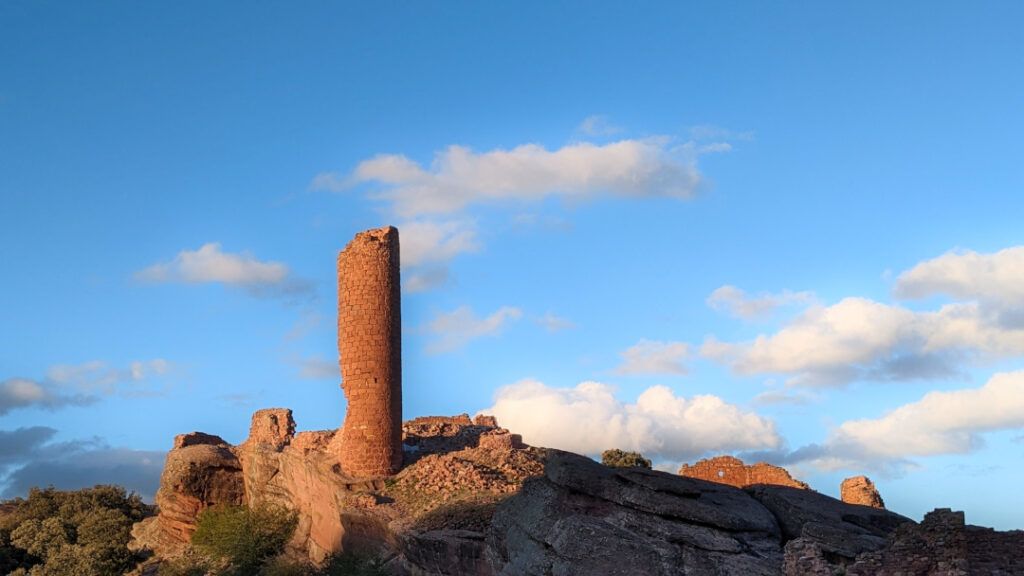
Medieval master builders demonstrated their ingenuity in designing the fortress in two fortified enclosures arranged at different heights, an architectural solution that maximized its defensive capabilities. The lower enclosure, with its robust circular towers, provided an impenetrable first line of defense, while the upper enclosure, crowned by the emblematic semicircular tower known as "el Buco", served as a last refuge in case of siege. This tiered arrangement not only responded to defensive needs, but also allowed for better organisation of daily life in the castle.
Route through nearby places to visit
For those adventurers who wish to discover this historical treasure, the Cardoso Ravine Route 6 offers an unforgettable experience. This medium-difficulty route, which combines sections by vehicle and on foot, allows you to explore not only the castle but also other treasures of the area. From the moment you set off on the route, visitors are greeted by a stunning natural landscape that invites exploration and discovery.
Practical details of the tour
- Duration: 3 hours and 30 minutes
- Total distance: 19 km by car + 8.5 km on foot
- Starting point: Peracense
- Signaling: Combination of PR-TE-4, SL-TE 12 and GR-24
For more info visit the following link
Hidden treasures along the way
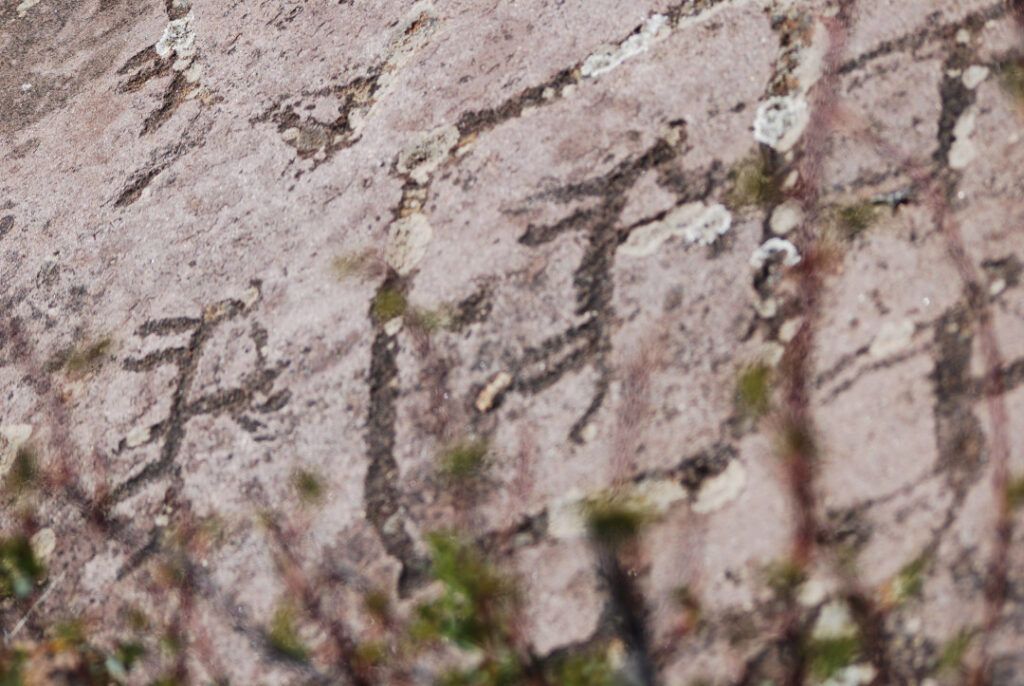
During the tour to the Castle of the Ares, visitors can discover hidden gems that further enrich the experience. Among them are the Rock carvings of the Tioticos shelter, dating back to prehistoric times and revealing the presence of humans in the area for millennia. These engravings are not only a testimony to ancient history, but also invite reflection on the relationship between humans and nature over time.
Another point of interest is the enigmatic relief of the «peruvian», a figure carved in rock which has sparked the curiosity of historians and visitors alike. This type of rock art is a window into the beliefs and cultural expressions of the people who inhabited these lands. Likewise, the Iberian site of Puntal del tío Garrillas offers a glimpse into the past, allowing visitors to better understand the region's rich prehistoric history.
The historical legacy of the castle
The passage of time has transformed the role of the Castillo de los Ares. From its function as a defensive fortress, through its time as part of the Albarracín district in 1711, to its conversion into a private manor during the First Republic, each stage has left its mark on these centuries-old stones. This castle not only represents an architectural milestone, but also It symbolizes the struggle for identity and autonomy of the peoples of Aragon.
Recognition of its historical value came in 2006 with its declaration as a Site of Cultural Interest. This status highlights the importance of the fortress not only locally, but also in the context of Spanish cultural heritage. The important consolidation works carried out by the Government of Aragon between 1999 and 2001 have ensured that this architectural treasure is preserved for future generations, allowing its story to continue to be told.
The castle today
Today, the Castle of the Ares has become an essential destination for lovers of history and medieval architecture. Its appeal lies not only in its rich history, but also in its ability to evoke life in a medieval fortress. The ruins, far from being mere vestiges of the past, present themselves as an open book that invites everyone to explore and discover.