

The migratory spectacle of the cranes in the Gallocanta Lagoon represents one of the most impressive natural events in Europe. This endorheic lagoon, the largest in Spain with an average surface area of 14 km², becomes every year the stage for an aerial ballet featuring tens of thousands of cranes who choose this enclave as a strategic point on their migratory route between northern Europe and the south of the Iberian Peninsula.
Located at an altitude of 1,000 meters above sea level Already straddling the provinces of Zaragoza and Teruel, the Gallocanta lagoon is not just a crossing point: it is a unique ecosystem where wildlife and human activity have found a delicate balance which has endured for centuries. The five villages surrounding the lagoon – Gallocanta and Las Cuerlas in Zaragoza, and Tornos, Bello and Berrueco in Teruel – are privileged witnesses of this natural spectacle.
The perfect time for adventure
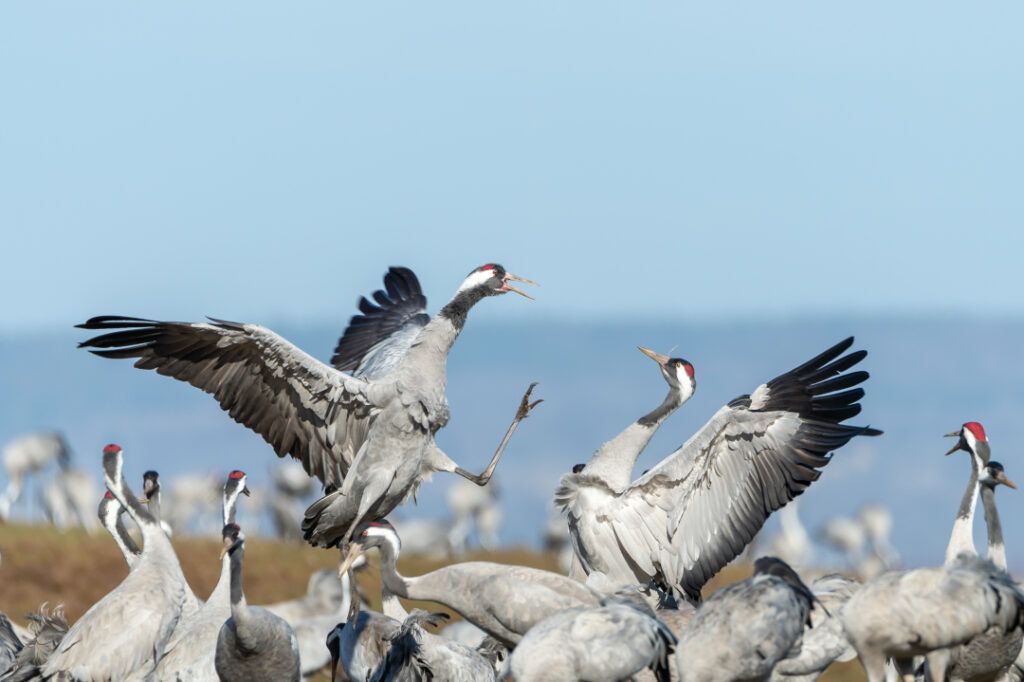
Crane migration follows an ancient pattern that dates back thousands of years. In October, the first advance parties arrive from their breeding grounds in Scandinavia and Germany, But it is in mid-November when the most spectacular population explosion occurs, with Concentrations that have reached over 60,000 specimens in the best years. The most recent censuses have recorded peaks of 44,230 cranes in a single day, making Gallocanta is one of the most important spots in Europe for observing these birds.
The peculiarity of the climate in Gallocanta, characterized by its extremely cold winters with temperatures that can drop below -10ºC and its strong north-westerly winds, far from being an impediment, have created the perfect conditions for these birds to find their ideal refuge here. The combination of shallow waters, surrounding crop fields and the tranquillity of the area makes this area a haven for birds of prey. Some populations even choose to stay all winter., modifying their traditional migration patterns.
The rhythms of nature and the life of cranes
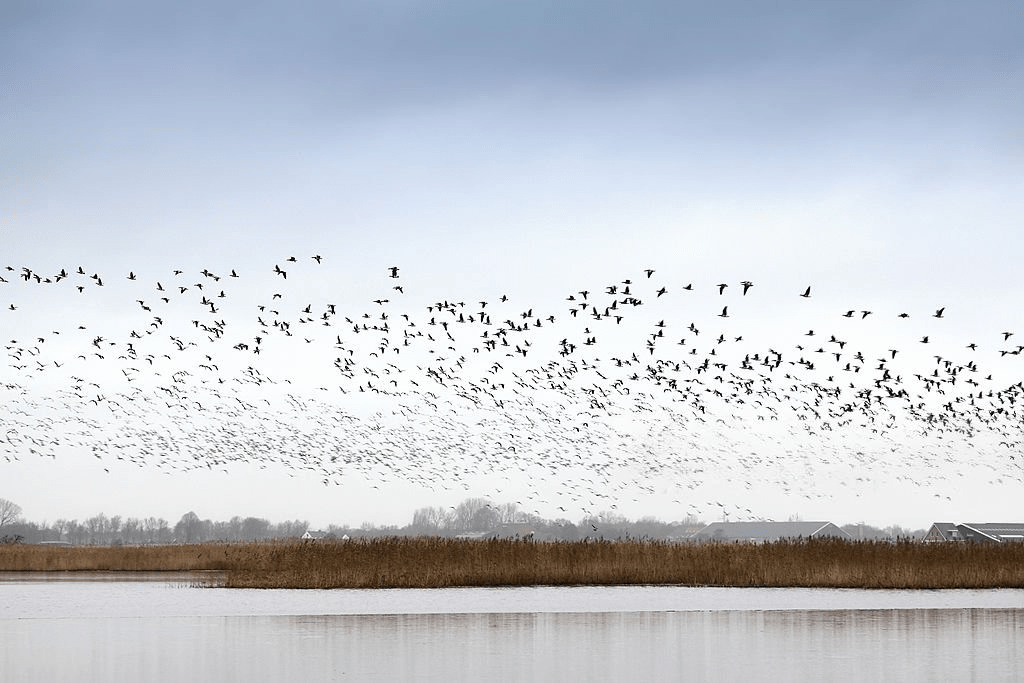
The cranes have developed a daily routine perfectly synchronized with the rhythm of the sun. At the first light of dawn, these magnificent specimens leave their roosts in the lagoon, where they have spent the night with their legs submerged in the shallow waters as a protection strategy against predators. The spectacle of awakening is overwhelming: Thousands of birds take flight with trumpeting sounds, creating "V" formations that disperse within a 10-12 kilometer radius in search of food.
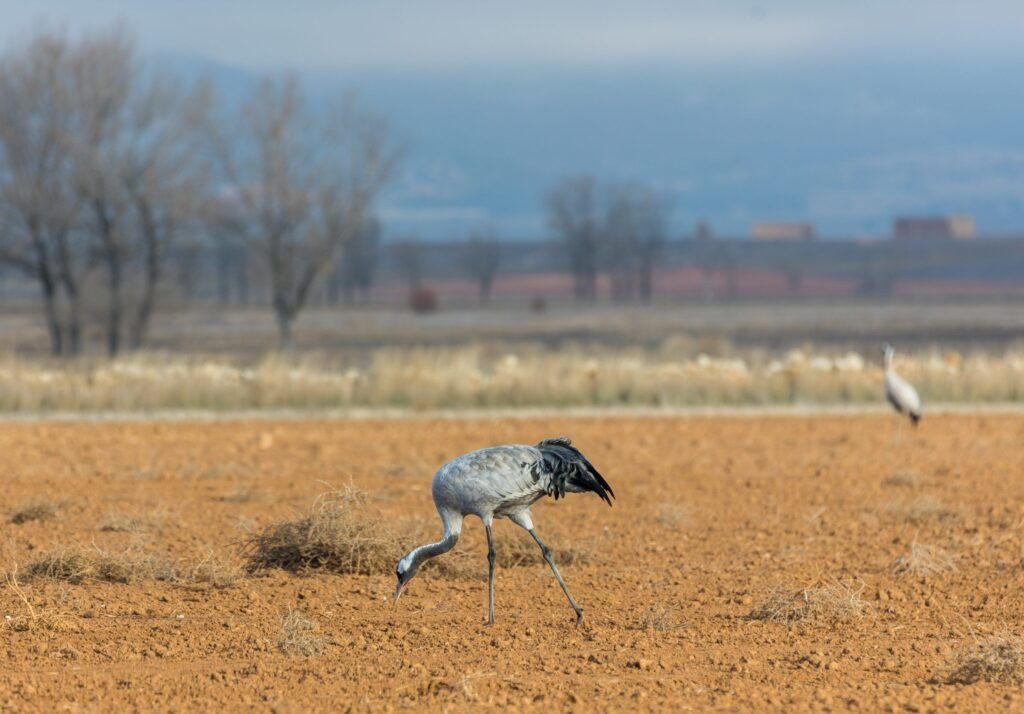
During the day, the cranes They feed mainly on the surrounding crop fields, where they find a varied diet that includes cereal grains, acorns, bulbs and legumes, complemented by earthworms and snails. This adaptation to the traditional crops of the area has created a unique symbiosis between agriculture and conservation. Local farmers have learned to live with these migratory birds, in many cases adapting their agricultural practices to favour their presence.
The route of the viewpoints: A journey through the heart of Gallocanta
First stop: Interpretation Center – The door to knowledge
He Gallocanta Lagoon Interpretation Center, strategically located in the road between Tornos and Bello, represents much more than a simple information point. This building, formerly used by workers of the Ministry of Public Works, has been transformed into a vital educational space that introduces us to the secrets of this unique ecosystemHere, environmental educators from the Aragon Natural Network not only provide up-to-date information on the state of the trails and the presence of birds, but also offer a comprehensive educational presentation on the geological formation of the lagoon and its ecological importance.
The center It has an observatory on its first floor which offers a privileged view of the lagoon, especially important during dawn, when the cranes leave their roosts. During the months of November and February, coinciding with the main migratory steps, the centre extends its opening hours and offers free guided tours that must be booked in advance due to high demand.
The perfect watchtower: Ermita del Buen Acuerdo – The sunset viewpoint
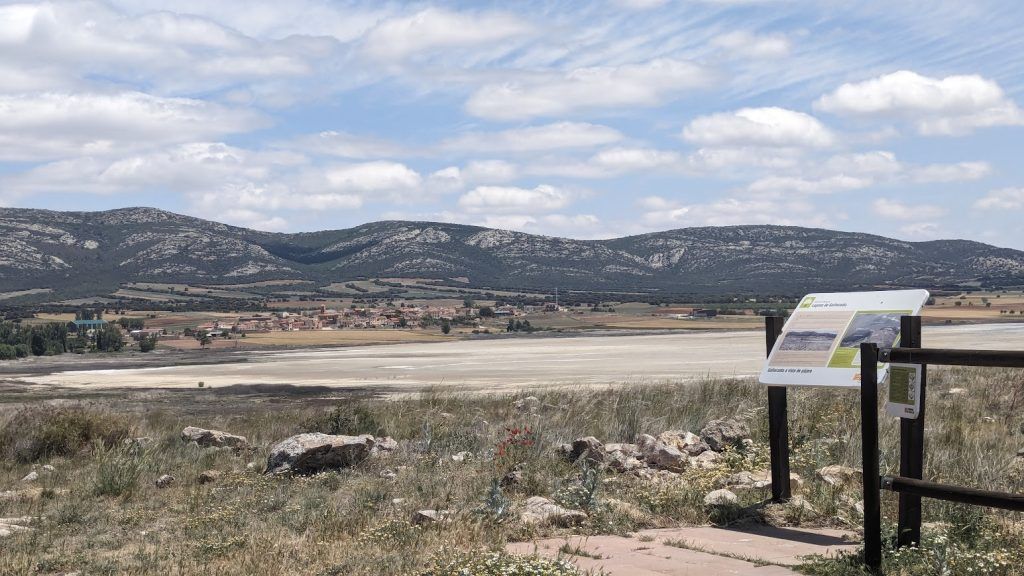
The Hermitage of the Virgin of Good Agreement It stands like a natural balcony over the Gallocanta lagoon. Located on a privileged hill, this religious enclave has become One of the most spectacular spots for crane watching, especially during sunsets, when thousands of these birds return to their roosts in the lagoon.
The elevated location of the hermitage It allows us to contemplate not only the spectacle of the cranes, but also to understand the magnitude and importance of this wetland. From here, we can appreciate the full extent of the lagoon and understand why this enclave is so crucial for migratory birds. The sunsets from this point are particularly magical, when the light of the setting sun dyes the waters of the lagoon golden and the silhouettes of the cranes stand out against the sky, creating an unforgettable visual and sound spectacle.
The jewel in the crown: La Reguera Tower – The privileged observatory
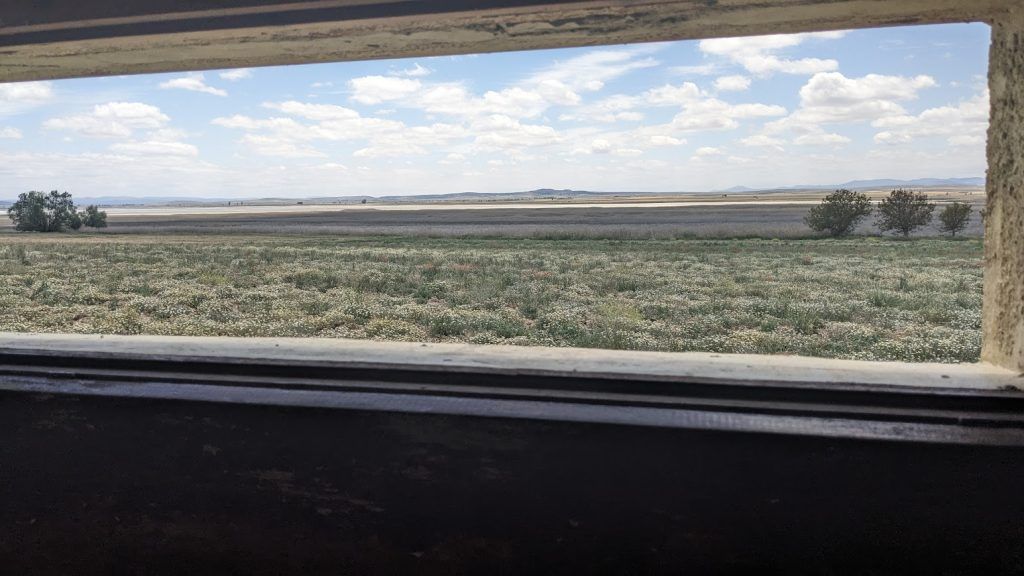
The La Reguera Observatory Tower represents the high point of our ornithological route. Located in the municipality of Las Cuerlas, this structure has become one of the most visited sites in the entire natural area, and with good reason. Its strategic location, between the feeding grounds and the lagoon, allows the cranes to be observed at an optimal distance, especially during the central hours of the day, when these majestic birds come to drink and rest before returning to their feeding areas.
What makes this point especially valuable is the presence of an exceptionally well-preserved mass of reed beds which serves as a refuge and breeding area for numerous species. Among them, the aquatic warbler, a small bird listed as vulnerable at European level that uses this spot as a resting area during its migration to Africa. The diversity is not limited to cranes: La Reguera is a privileged spot to observe a wide variety of aquatic birds, from ducks to waders, which find in these reed beds the perfect habitat for their survival.
The secrets of Los Ojos – The spring of life
He Los Ojos Observatory, strategically located near a natural spring that feeds the lagoon, offers a unique perspective of the aquatic ecosystem. This point owes its name to the springs or "eyes" that spring up naturally, providing fresh water to the salt lagoon and creating an interesting salinity gradient that favors biodiversity. Its location, halfway up the hill between the hermitage and the lagoon, provides a privileged view of the northern area, especially valuable for observing ducks and waders.
During the sunsets, Los Ojos becomes a strategic point to watch the cranes enter their roosts. The proximity to the spring attracts numerous birds that take advantage of the opportunity to drink before their night's rest, creating a first-class natural spectacle. The constant presence of fresh water in this area keeps it attractive for fauna even in the driest periods.
Practical guide for the observer
The importance of timing and weather
The success of our visit to Gallocanta depends largely on time planning. Weekly censuses carried out by the Government of Aragon show that the maximum number of cranes is reached in mid-November, when more than 44,000 specimens have been counted in a single day. However, the presence of these birds is closely linked to weather conditions and the availability of food.
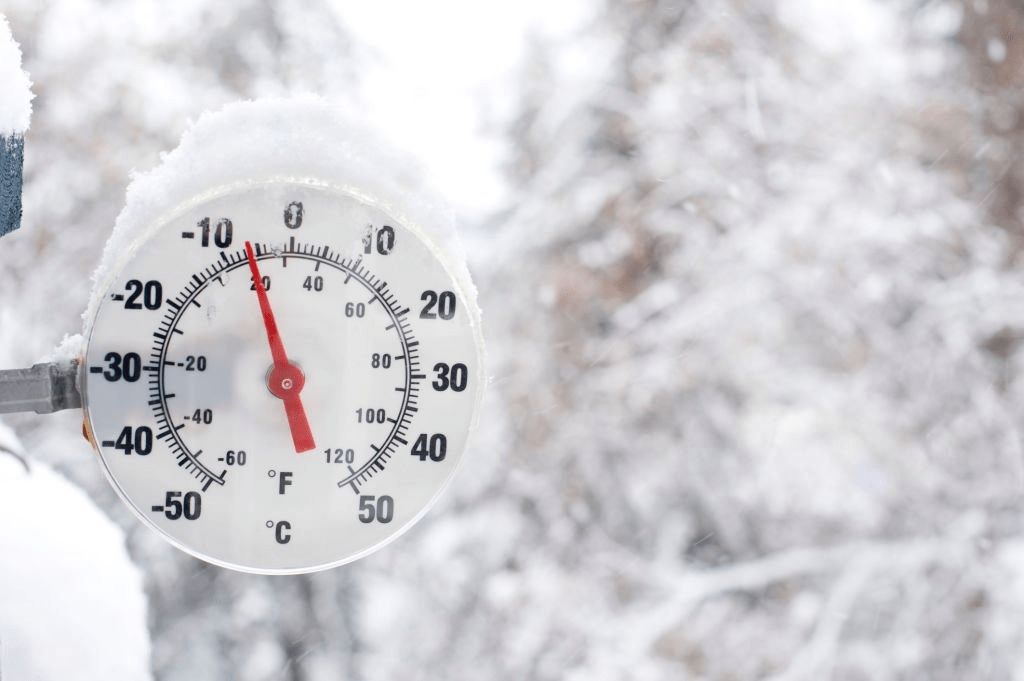
The extreme continental climate of Gallocanta, characterised by its strong thermal contrasts and the presence of the cierzo (northwest wind), can significantly condition our experience. Temperatures can range from 35°C in summer to -10°C or less in winter, so proper preparation is essential. Foggy days, frequent in autumn and winter, can make observation difficult but also create unique and magical atmospheres.
Equipment and preparation for observation
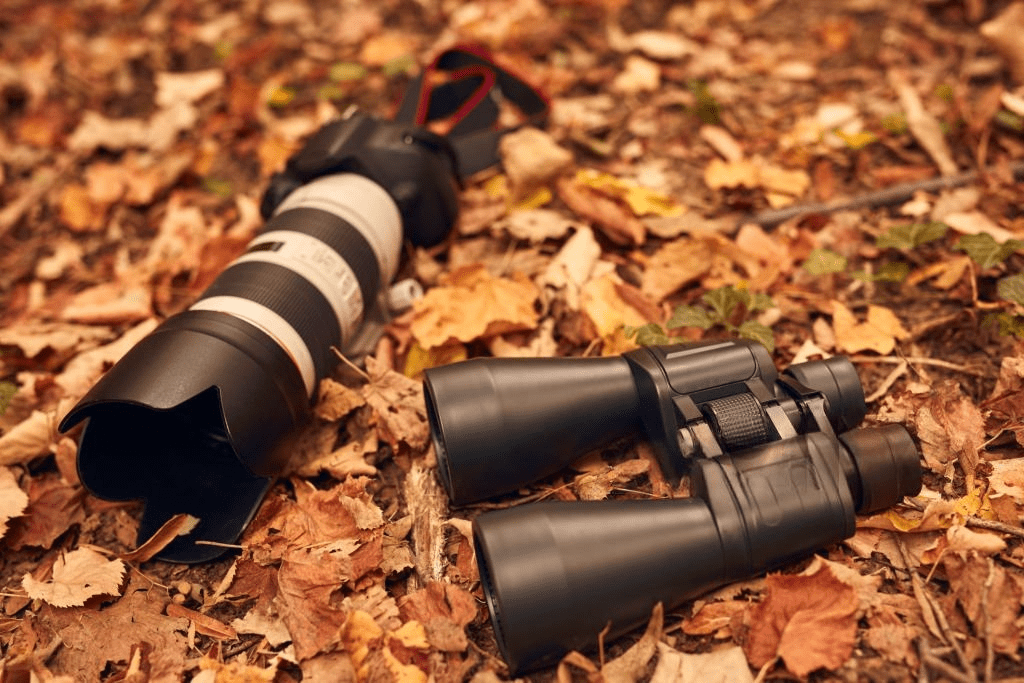
The Birdwatching in Gallocanta requires meticulous preparation which goes beyond basic optical equipment. While binoculars and a telescope are essential tools, other items can make the difference between a successful experience and an unforgettable one:
- Specialized optics:
- 8×42 or 10×42 binoculars for general observation
- 20-60x zoom telescope for detailed observation
- Polarizing filters for bright days
- Moisture protection for equipment
- Technical clothing:
- Quality thermal clothing for low temperatures
- Waterproof and mud-resistant footwear
- Gloves that allow handling of the equipment
- Wind protection (windbreaker, buff, hat)
Techniques and tips for nature photography
Bird photography in Gallocanta presents unique challenges that require specific preparation. The combination of long distances, changing light conditions and unpredictable bird behaviour requires a special technical approach. Experienced photographers recommend:
- Recommended photography equipment:
- Telephoto lenses of at least 500mm for bird photography
- Camera body with good response in low light conditions
- Sturdy tripod and gimbal head for heavy telephoto lenses
- Remote shutter release to minimize vibrations
- Extra batteries (cold significantly reduces their duration)
The Sunrise and sunset photography requires special attentionThe best results are obtained by arriving at the observation point at least 30 minutes before sunrise or one hour before sunset. The golden light at these times, combined with the peak activity of the cranes, offers unique opportunities for spectacular captures.
Route planning according to season
Autumn-Winter: The star season
The period between October and February represents the golden time to visit GallocantaDuring these months, crane activity is at its peak, with behaviour patterns varying from time to time, so hurry up, because it's almost over:
October-November:
- Arrival of the first groups from northern Europe
- Maximum concentrations in mid-November
- Increased activity in crop fields looking for food
- Moderate temperatures facilitate observation
December-January:
- Established wintering populations
- More predictable routines
- Best time for photography due to light quality
- Need for greater preparation against extreme cold
Spring: The awakening of the lagoon
Although less well-known than the crane season, spring in Gallocanta offers unique attractions. The lagoon is transformed by the spring rains, creating ideal conditions for:
- Observation of nesting birds
- Flowering of endemic species
- Increased activity of steppe birds
- Milder weather conditions
Practical considerations and ethical code
Access and mobility
The network of paths surrounding the lagoon requires careful planning:
- Check the status of the trails at the Interpretation Centre before starting the route
- Scrupulously respect restricted access areas
- Use suitable vehicles during the rainy season
- Always keep vehicles in authorized areas
Observer's code of ethics
Responsible observation is essential for space conservation:
- Maintain a minimum distance of 500 meters from areas where birds are concentrated.
- Avoid unnecessary noise and sudden movements
- Do not leave the marked trails
- Respect the observatory schedules
- Give way to agricultural vehicles
A show that transcends the visual
The Gallocanta lagoon represents much more than a birdwatching spot: it is a living testimony to the importance of wetland conservation and an example of coexistence between human activity and nature. The spectacle of the cranes, with their ancient migratory rituals, connects us with something deeper than simple birdwatching: it reminds us of our own connection with natural cycles and the importance of preserving these unique spaces for future generations.
The experience of watching thousands of cranes flying over the lagoon at dusk, with their characteristic trumpeting echoing in the cold winter air, is something that remains etched in the memory of any nature lover. Gallocanta is not just an ornithological destination: it is a window to a world where time seems to stand still and where it is still possible to connect with the cycles and the purest essence of nature.